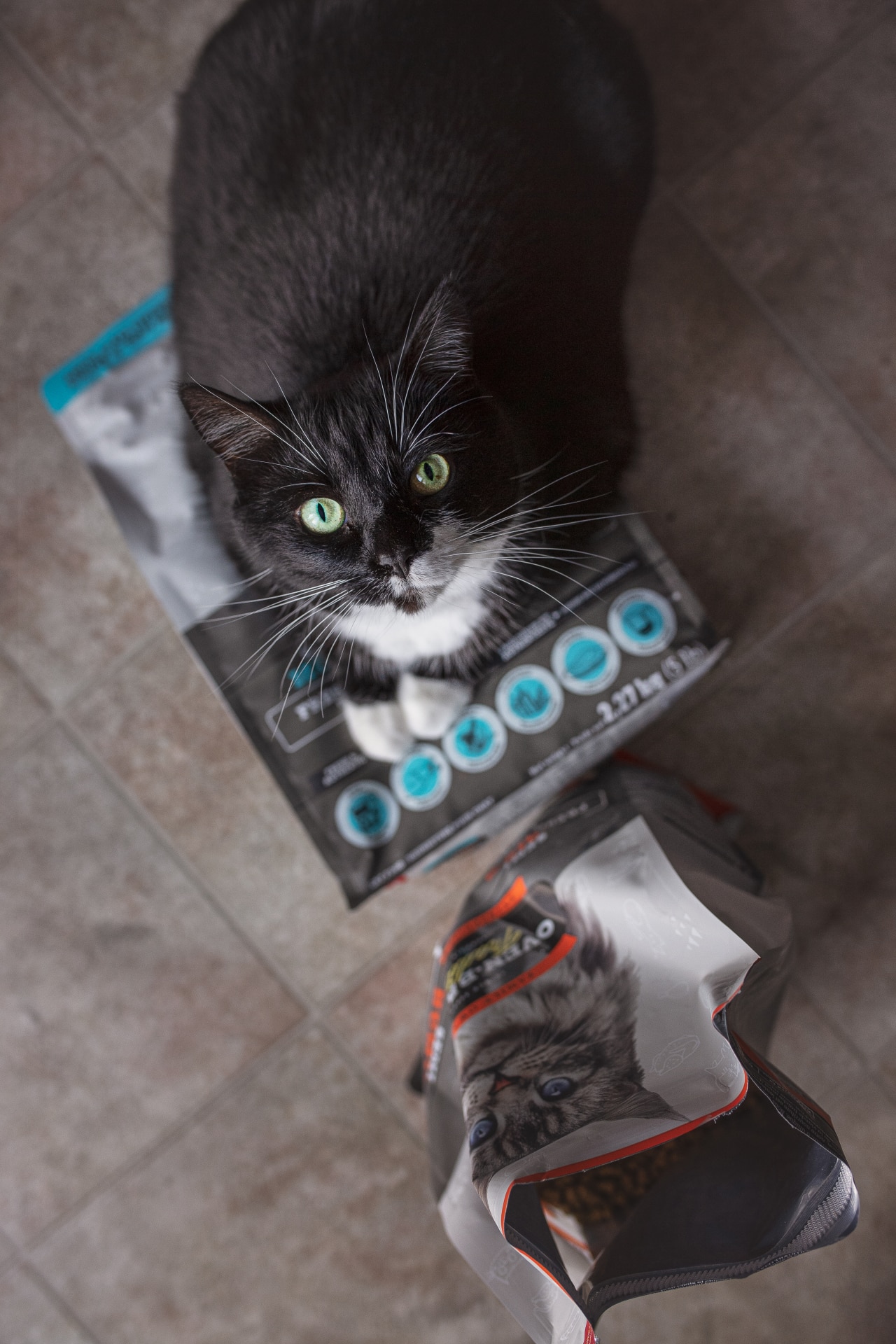
For some people, their dog or cat represents unconditional love, a reassuring presence, a ball of energy that makes the house warmer, a companion who never judges you, a being who anchors you in the present… in short, a member of the family. Leaving a pet is never easy. It is said that over time, pain changes, but never goes away. Here are some tips to help you prepare or cope with animal mourning and the grief that comes with the loss of a beloved pet.
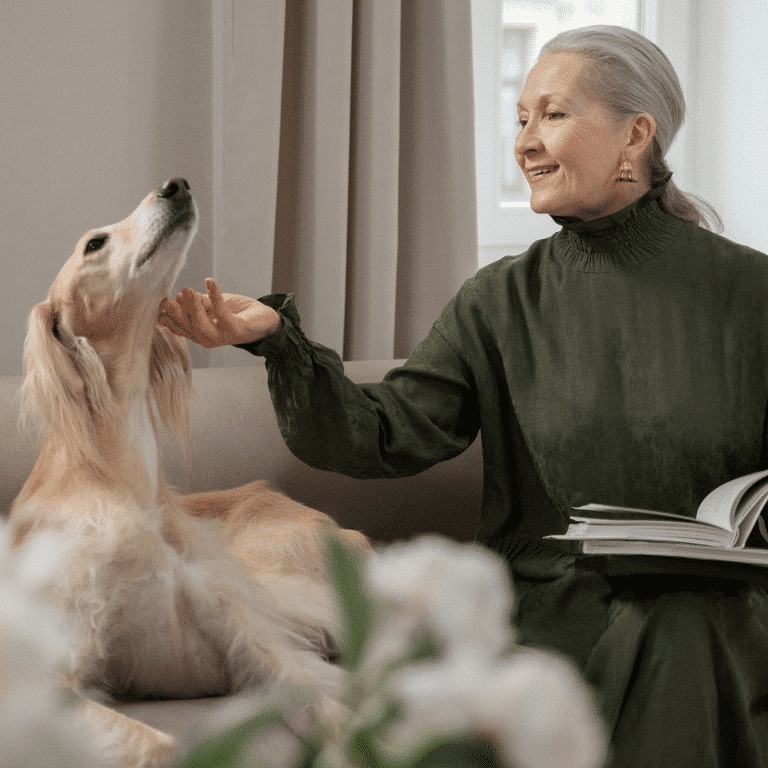
What are the stages of grief after losing a pet?
Before exploring tips on how to cope with the loss of a dog or cat, it is important to understand that grief after losing a pet is experienced in stages. Each person goes through these stages at their own pace, depending on their bond with the animal and the circumstances surrounding their passing.
The order and duration of the stages may vary from one person to another and depending on the circumstances of the animal’s departure. Typically, grief will begin with a period of denial. It will be difficult to imagine a daily life without your pet. Some people will wait before putting away accessories, toys and other possessions related to the animal, while others prefer to put everything away in order to avoid continually feeling the flood of emotion. Then, a feeling of anger may arise and be directed towards oneself, a person who caused the accident, the medical team, etc.
Then comes one of the longest stages of mourning: sadness. There will be a first time for everything in your new reality without your pet. Your first awakening without him, a walk without his presence, no longer preparing his meals, not being greeted with joy when you return home, the date of his birthday, etc. You may feel depressed for a long time and at different levels.
If the pain persist and time does not seem to ease your sadness, do not hesitate to seek help. This will help you move through the final stage of grieving, which is acceptance. It’s when you can fully accept your pet’s departure and nostalgia transforms into sweet memories.
Tips for coping with pet loss and pet bereavement
There is no perfect way to cope with the loss of a dog or cat. Everyone experiences pet bereavement differently. However, certain strategies can help you manage the emotions associated with grief after losing a pet and move through the process at your own pace.
Talk about the loss of your dog or cat
It is essential to talk about the emotions you are experiencing after the loss of a dog or cat. Whether with a close friend, family member, or loved one, expressing your grief can help ease the emotional burden. Some people may also benefit from speaking with a professional or joining a pet loss support group. There are several resources available across Canada, including grief support lines and organizations dedicated to emotional support.
Create a memorial in honor of your pet
Creating a tribute to your pet can help preserve memories and bring comfort during the grieving process. There is no right or wrong way to honor the life of a beloved animal.
Some people choose to keep a paw print, create a photo album, preserve an urn, or commission a painting or memorial jewelry. These meaningful gestures can provide comfort and help maintain a symbolic connection with your pet.

Hold a farewell ritual for your companion
Although not always possible depending on the circumstances, a farewell ritual can help support the grieving process.
This may include holding a small family ceremony, lighting a candle in your pet’s memory, sharing a final special moment, or offering their favorite meal. These rituals can help bring closure and honor the unique bond you shared.
Take care of yourself during pet bereavement
Taking care of yourself during pet bereavement is extremely important. Grief can be emotionally and physically exhausting, making it essential to respect your own pace and needs.
Allow yourself to rest, eat well, and engage in activities that bring you comfort. Light physical activity can also help reduce stress and support mental well-being.
It is equally important to give yourself permission to grieve fully, without pressure or guilt.
Read about pet loss and grief experiences
Reading about pet loss can help you better understand your emotions and feel less alone during this experience.
Many people find comfort in books, articles, and personal stories from others who have gone through similar situations. Learning from shared experiences can provide new perspectives on coping with grief after losing a pet.
Seek professional support for pet bereavement
If the pain becomes too difficult to manage or persists over time, seeking help from a healthcare professional may be beneficial.
A doctor, psychologist, or counselor can provide a safe space to talk about your grief and help you find appropriate coping strategies tailored to your situation.

Coping with pet loss when children are involved
The loss of a dog or cat can be especially difficult for children, as it is often their first experience with grief. This can bring up many emotions and new realities that may be hard for them to understand.
It is important to approach the situation with honesty and compassion. While difficult, it is generally best not to mislead children about the circumstances of the pet’s death. Using simple, age-appropriate language helps them understand what has happened and develop a healthier relationship with their emotions.
When possible, preparing a child in advance can also help soften the experience, especially if the pet is elderly or seriously ill.
Like adults, children need to process their emotions at their own pace. Some may want to talk often about their pet, while others may express grief through behavior changes, sadness, or repeated questions. Providing a safe and supportive space is key.
Support from family and loved ones is essential during this time. Small gestures such as looking at photos, drawing the pet, or sharing memories can help children cope more gently with pet loss.

Pet loss is a deeply emotional experience that can significantly impact daily life, regardless of age or the bond shared with the animal. Losing a dog or cat often brings intense grief and a profound sense of emptiness, but there is no right or wrong way to grieve.
Taking time to process emotions, talking with loved ones, creating meaningful rituals, and seeking support can all help ease the journey through pet bereavement. Over time, the pain often softens and is replaced by cherished memories and gratitude for the time shared.
Even after they are gone, pets often leave a lasting imprint on our lives and in our hearts.
FAQ – Pet loss and bereavement
The stages of grief after losing a pet are often similar to other forms of bereavement. They typically include denial, anger, sadness, and acceptance, although not everyone experiences them in the same order or intensity. Pet loss grief is highly individual and depends on the bond shared with the animal and the circumstances of their passing.
There is no fixed timeline for pet bereavement. Some people may feel intense grief for a few weeks, while others may take several months or longer to adjust. The grieving process is personal, and emotions may come and go over time as you learn to cope with the loss of a dog or cat.
Yes, it is completely normal. For many people, pets are family members, companions, and emotional support systems. Feeling deep sadness, emptiness, or even guilt after pet loss is a natural response and part of the grieving process.
Children often experience pet loss as their first encounter with grief. It is important to be honest, use simple and age-appropriate language, and allow them to express their emotions freely. Activities like drawing, looking at photos, and talking about memories can help them process their grief in a healthy way.
You should consider seeking professional support if grief becomes overwhelming, persists for a long time, or starts affecting daily life, sleep, or mental health. A doctor, psychologist, or counselor can help you navigate the grieving process and provide coping strategies.