We know our dogs inside and out. The exact time they ask for their walk. The look they give us when they want a treat. Their little bedtime routine. But when they start asking to go outside more often than usual and when they seem uncomfortable while urinating or when an accident happens after years of being house-trained, that’s when it hits you. Urinary health is not a small detail.
Preventing urinary tract infections (UTIs) in dogs isn’t just a veterinarian’s responsibility. It’s also about awareness, nutrition, and the small everyday choices we make. It may not be the most glamorous topic at the dog park but let’s be honest, it’s a real, common, and sometimes painful issue for our fur babies. The good news is that there’s a lot we can do to help prevent it. Without replacing professional veterinary advice, because every dog is unique, here’s what you should understand to help protect your dog’s urinary comfort and avoid unnecessary complications.
Understanding urinary issues in dogs
Understanding urinary problems in dogs starts with knowing how the urinary system works. It includes the kidneys, ureters, bladder, and urethra. Its role is to filter waste from the bloodstream, maintain proper mineral balance, and eliminate excess water in the form of urine. When everything is functioning properly, we don’t give it much thought. But when an imbalance occurs whether due to bacteria, crystals, stones, or inflammation symptoms can appear quickly.
Among the most common urinary issues are urinary tract infections (bacterial cystitis), the formation of urinary crystals or bladder stones (such as struvite or calcium oxalate), and sometimes non-infectious bladder inflammation. A urinary tract infection typically develops when bacteria travel up the urethra into the bladder. It can be painful and uncomfortable, but fortunately, with appropriate veterinary treatment, the prognosis is often very good.
Symptoms you shouldn’t ignore
UTI symptoms don’t always go unnoticed if you know what to look for. Frequent urination in small amounts. Straining or visible discomfort while urinating. Cloudy or bloody urine. Accidents in a previously house-trained dog.
Sometimes the signs are more subtle like excessive licking of the genital area, changes in behavior, or mild lethargy. These signs should always be taken seriously. With proper veterinary care, most UTIs resolve within one to two weeks. Left untreated, however, they can recur or become more serious.
Why are some dogs more at risk
Any dog can develop a urinary issue, but some are more predisposed. Female dogs are generally more prone to UTIs due to their anatomy. Senior dogs may also be more vulnerable because of a weakened immune system or underlying conditions such as diabetes.
Small breed dogs are more frequently affected by urinary crystals and bladder stones. Their unique metabolism and sometimes more concentrated urine can contribute to these imbalances. In other words, prevention becomes even more important for them.
The role of nutrition and hydration
What your dog eats directly influences the composition of their urine. The balance of minerals such as magnesium, phosphorus, and calcium plays a key role. These minerals are essential for health, but in excess or imbalance, they can contribute to crystal formation in predisposed dogs.
Urinary pH also matters. If it becomes too alkaline or too acidic, it can create an environment favorable to certain types of crystals. A carefully formulated diet helps maintain a healthy urinary balance.
Hydration is equally important. Diluted urine contains lower mineral concentrations. Simply put, the more your dog drinks, the lower the risk. Always providing fresh water, adding a bit of water to dry food, or incorporating wet food into the diet are simple steps that can make a meaningful difference. Protein quality also matters. Highly digestible proteins support balanced metabolism and help manage the waste products the kidneys must filter.
Choosing the right food is a strategic decision
A diet formulated to support urinary health isn’t a luxury, it’s a preventive tool. So, what should you look for? A formula made with high-quality ingredients, balanced mineral levels and adapted for your dog’s size and life stage. Designed to support a healthy urinary pH.
For small breeds in particular, a targeted formula can make a long-term difference. Taking preventive precautions doesn’t mean your dog is sick. It means you’re choosing to optimize their comfort before a problem arises. That’s a responsible approach.
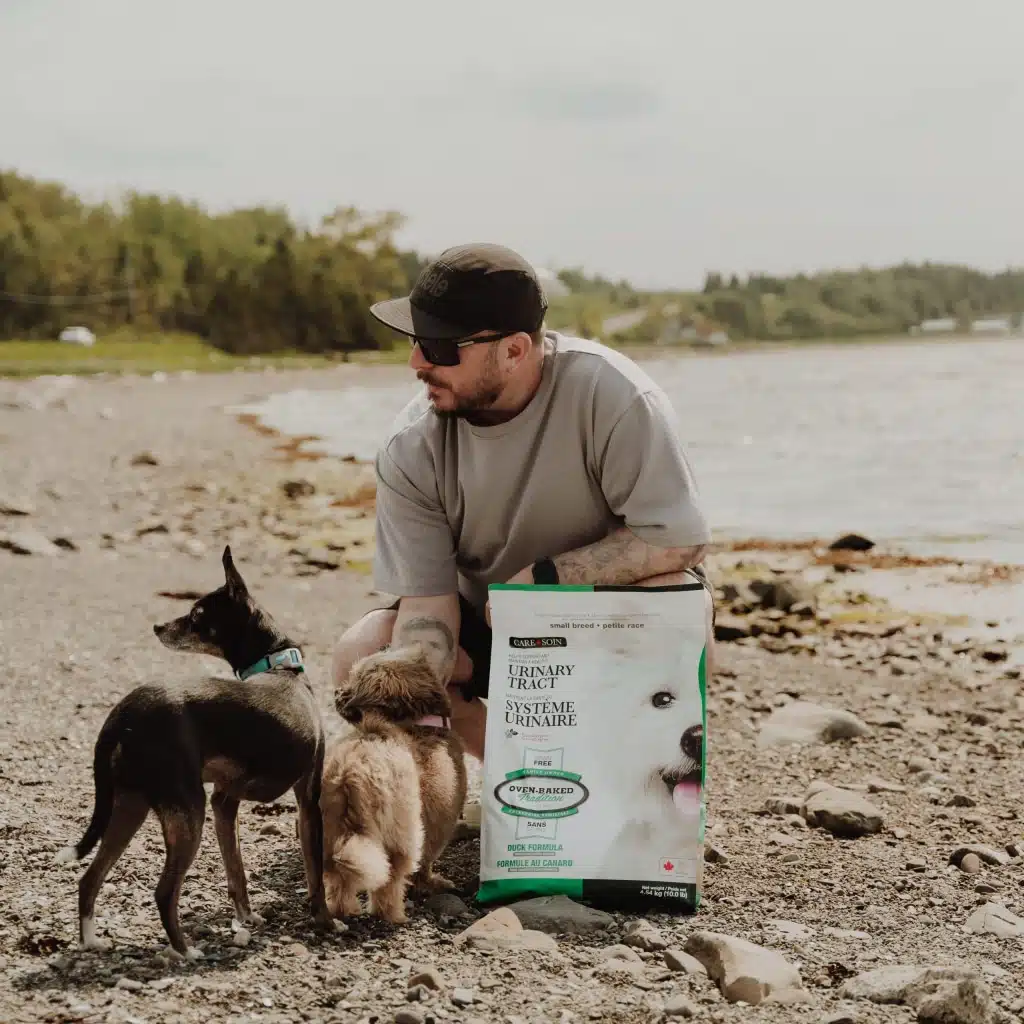
At Oven-Baked Tradition, we understand that your dog is part of your family. That’s why we’ve always worked with transparency to develop recipes alongside animal nutrition experts, carefully crafted to support your dog’s overall well-being.

Prevention is an act of Love
You don’t see urinary health the way you see a silky, shiny coat. You don’t notice it like fresh breath. You don’t photograph it or post about it. Yet it’s what allows your dog to run comfortably, to sleep peacefully, to live without silent discomfort they can’t always express. Preventing urinary infections isn’t about being alarmist, it’s also about avoiding pain. Avoiding emergency vet visits.
Choosing a diet formulated to support urinary health means choosing peace of mind. It means acting before a problem begins. Because loving your dog isn’t just about reacting when something goes wrong. It’s about anticipating, protecting and creating the right conditions every single day even in the details you can’t see. If it all starts with what’s in their bowl, then that may be one of the most meaningful preventive choices you can make.
Don’t wait for symptoms to appear before taking action.
Choose prevention today.
Find a retailer near you.

FAQ
Yes, dogs can develop urinary tract infections (UTIs). These infections occur when bacteria enter the urinary tract and multiply in the bladder. Female and senior dogs are generally at a higher risk.
Dogs typically develop a urinary tract infection (UTI) when bacteria enter through the urethra and travel to the bladder. Factors such as urinary retention, bladder stones, diabetes, a weakened immune system, or an imbalanced urinary pH can create an environment that promotes infections or the formation of urinary crystals.
Common symptoms of a urinary tract infection (UTI) in dogs include frequent urination, passing small amounts of urine, cloudy or bloody urine, a strong odor, excessive licking of the genital area, and sometimes fever. If you notice any of these signs, it is recommended to consult a veterinarian for proper diagnosis and treatment.
No. A urinary tract infection (UTI) in dogs requires veterinary treatment, usually with prescribed antibiotics. Without proper treatment, the infection can worsen and potentially lead to more serious complications, including kidney involvement. If you suspect your dog has a UTI, consult your veterinarian promptly for diagnosis and appropriate care.
With proper veterinary treatment, a urinary tract infection (UTI) in dogs typically lasts between 7 and 14 days, depending on your veterinarian’s recommendations. It is important to complete the full course of prescribed medication, even if symptoms improve, to prevent recurrence or complications.
Yes. A properly formulated urinary health dog food can help manage phosphorus and magnesium levels, support an optimal urinary pH, and reduce the risk of urinary crystal and bladder stone formation. Choosing a balanced diet designed to promote dog urinary tract health can play an important role in prevention, especially for small or at-risk dogs.
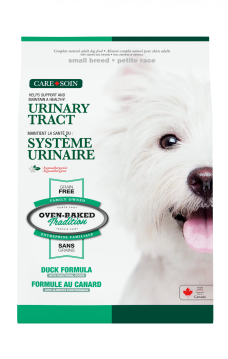
Yes. Oven-Baked Tradition offers a preventive formula specifically designed to support urinary tract health in dogs. Developed by animal nutrition experts, this recipe helps maintain a balanced urinary pH while providing high-quality, slow-baked ingredients for overall health and well-being.
No. Oven-Baked Tradition urinary formulas are designed to support and help prevent urinary problems in dogs, but they do not replace veterinary treatment. If your dog has a urinary tract infection or has been diagnosed with a urinary condition, it is essential to consult a veterinarian for proper care and treatment.
The Oven-Baked Tradition urinary formula is made in Canada and prepared using a slow-baking method. This process helps preserve the quality and nutritional value of the ingredients while creating a denser, more flavorful kibble that dogs enjoy.
Yes. The Oven-Baked Tradition grain-free urinary recipe is hypoallergenic and uses duck as the first protein source. It contains no chicken, making it suitable for dogs with food sensitivities, while also supporting urinary tract health.