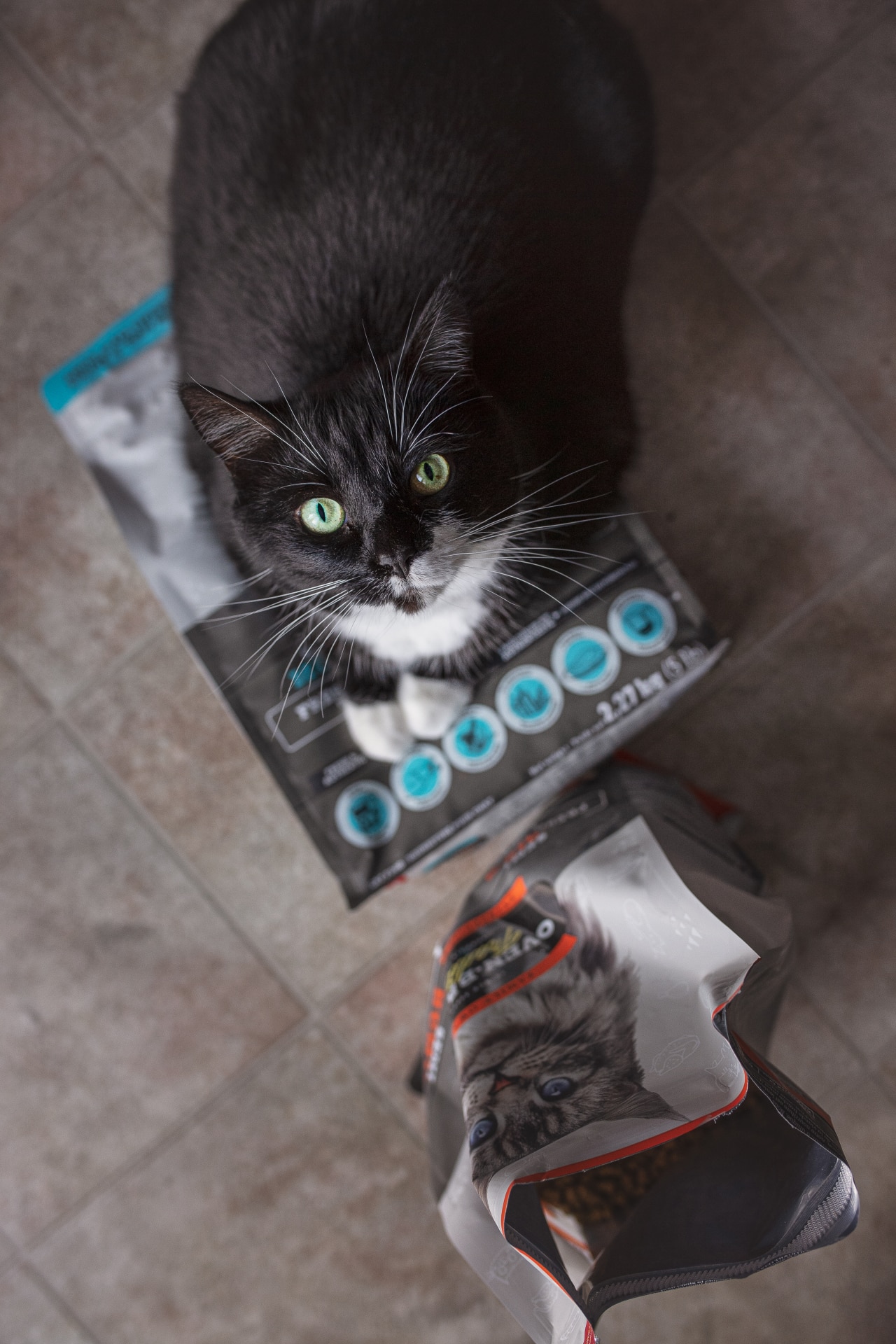
Spring means sunshine, longer walks, muddy paws and suddenly noticing your pet acting a little strange. Is your dog scratching like he just rolled through an entire field of dandelions? Is your cat leaving little clouds of fur on the couch even though everything seemed perfectly normal yesterday? Welcome to that magical time of year when many pet owners start wondering: “Is this just shedding season or something more?”
Because when it comes to normal shedding versus seasonal allergies, the line can sometimes get blurry. A dog or cat losing fur in spring is completely normal. A little scratching can be too. But when the itching becomes constant, the skin turns red or your pet starts acting differently, it may point to something more uncomfortable than a simple seasonal change.
Unlike us, our pets cannot say, “Excuse me, I believe pollen is ruining my life today.” Instead, they communicate in other ways, like licking their paws nonstop, rubbing against furniture, scratching constantly or giving us that dramatic look that says, “Help me, human.”
Understanding the difference between normal shedding and seasonal allergies can help owners feel reassured while also helping pets feel more comfortable faster. Because behind every healthy coat is usually a happier animal and slightly fewer vacuuming sessions.
Why do dogs and cats shed more in spring?
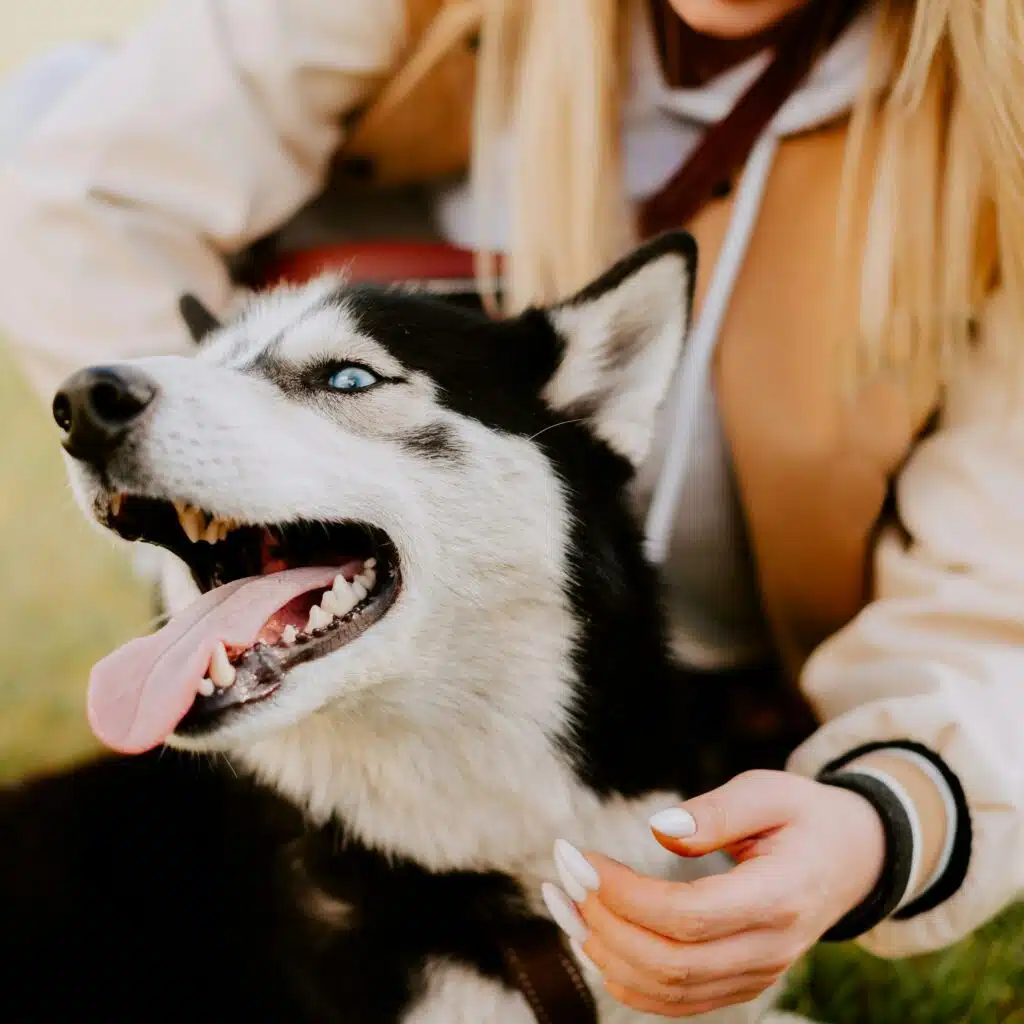
Before panicking over the mountain of fur covering your floor after only two minutes of brushing, it helps to know that increased shedding during spring is completely normal. Dogs and cats naturally adjust their coats according to changes in temperature and daylight. During winter, their fur becomes thicker and denser to help protect them from the cold. Once warmer weather arrives, that heavy winter coat is no longer necessary so the body begins a natural shedding process to make room for a lighter coat.
For some pets, this transformation can be impressive. Double-coated breeds like Huskies, Australian Shepherds and certain northern cat breeds can shed enough fur to make you question whether you secretly adopted a second animal. Honestly, some owners could probably knit a decorative pillow out of it.
The good news is that healthy seasonal shedding should not make your pet uncomfortable. Even if the amount of fur seems dramatic, the skin should still look healthy, without major redness or irritation. The coat remains shiny and your pet behaves normally.
What does normal shedding look like?
Normal seasonal shedding usually appears as a general increase in loose fur throughout the coat. You may notice more hair on furniture, clothing, carpets and every black sweater you own, but without large bald patches. Dogs and cats may scratch occasionally, especially if loose fur gets trapped in the coat, but the behavior does not become obsessive. Their skin remains healthy-looking, without red patches, scabs, unusual odors, or visible irritation. For many pets, regular brushing quickly improves the situation. After a few weeks, the coat usually settles back into its normal rhythm.
When seasonal allergies enter the picture
Seasonal allergies are a very different story. Spring brings a rapid increase in environmental allergens such as tree pollen, grass pollen, flowers, mold and moisture-related irritants. In sensitive animals, these allergens can trigger an inflammatory reaction that mainly affects the skin. Unlike humans, who often react to allergies with sneezing and watery eyes, dogs and cats commonly show allergy symptoms through skin problems.
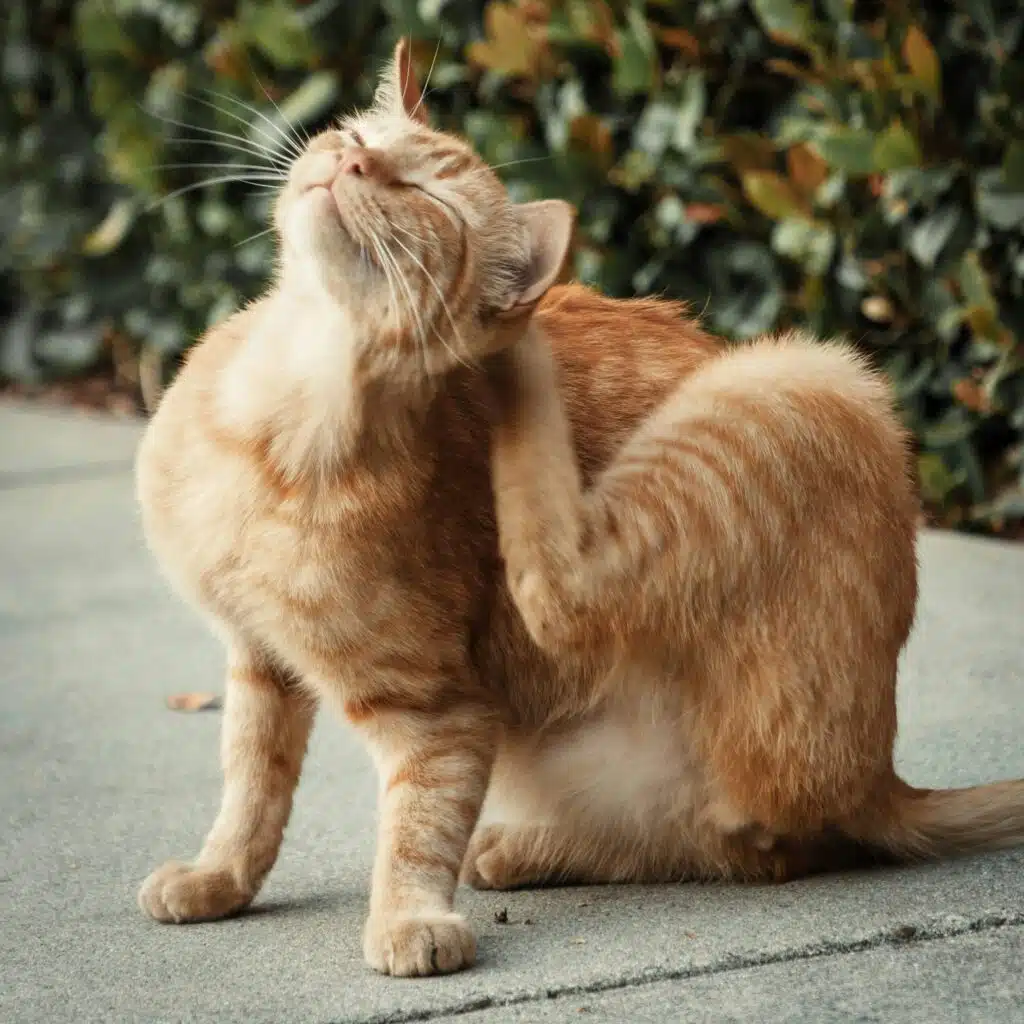
One of the first warning signs is excessive scratching. Allergic pets may chew their paws, lick themselves constantly, rub their faces on the carpet or scratch intensely around certain areas of the body. Over time, the skin may become red, irritated, thickened or inflamed. Some pets also develop secondary infections, scabs, or localized hair loss caused by repeated licking and scratching. The ears are another common trouble spot. A dog that develops frequent ear infections every spring may actually be dealing with seasonal allergies rather than simple bad luck.
Seasonal allergies can sometimes be mistaken for other types of sensitivities. Some symptoms may also resemble those of food allergies, which can make it more difficult to identify the exact cause. To better understand the differences between these two issues, read our article.
Other symptoms to watch for
Allergies are not always limited to the skin and coat. Some dogs and cats may also develop watery or red eyes, sneezing or mild nasal discharge. Cats can sometimes show more subtle signs. Some become more irritable, sleep more than usual or overgroom themselves to the point of creating thin or bald areas on their belly or sides.
Another important clue is intensity. Normal shedding may look dramatic, but it usually does not turn your pet into a full-time scratching machine operating 24 hours a day.
How to tell the difference between normal shedding and allergies
The key often comes down to observing both the skin and your pet’s behavior. A pet experiencing normal shedding loses fur relatively evenly throughout the coat. Their mood stays normal, their appetite remains good and they do not seem particularly bothered.
An allergic pet, on the other hand, often looks uncomfortable. They frequently scratch, lick obsessively or appear restless. Hair loss may occur in specific areas instead of evenly across the body. The skin itself becomes one of the best indicators. Healthy skin is soft, flexible and free of major redness or inflammation. Allergy-related skin may appear pink, warm, irritated or develop visible patches.
Paws also deserve special attention. Allergic dogs often lick their paws excessively, especially after outdoor walks. Over time, saliva staining can even turn the fur brownish.
Why skin health matters so much
People often focus on the coat because it is visible, but the real star of the show is actually the skin underneath. The skin acts as the body’s first protective barrier against allergens, bacteria and environmental irritants. When skin is healthy, it helps the body defend itself more effectively and reduces the impact of irritation.
That said, healthy skin cannot completely prevent seasonal allergies. A dog allergic to pollen will still react to pollen. However, well-nourished and properly hydrated skin can help reduce discomfort and better protect against secondary irritation. Think of it like wearing a good raincoat during a storm. You cannot stop the rain, but you can make the experience much more comfortable.
The role of nutrition in skin and coat health
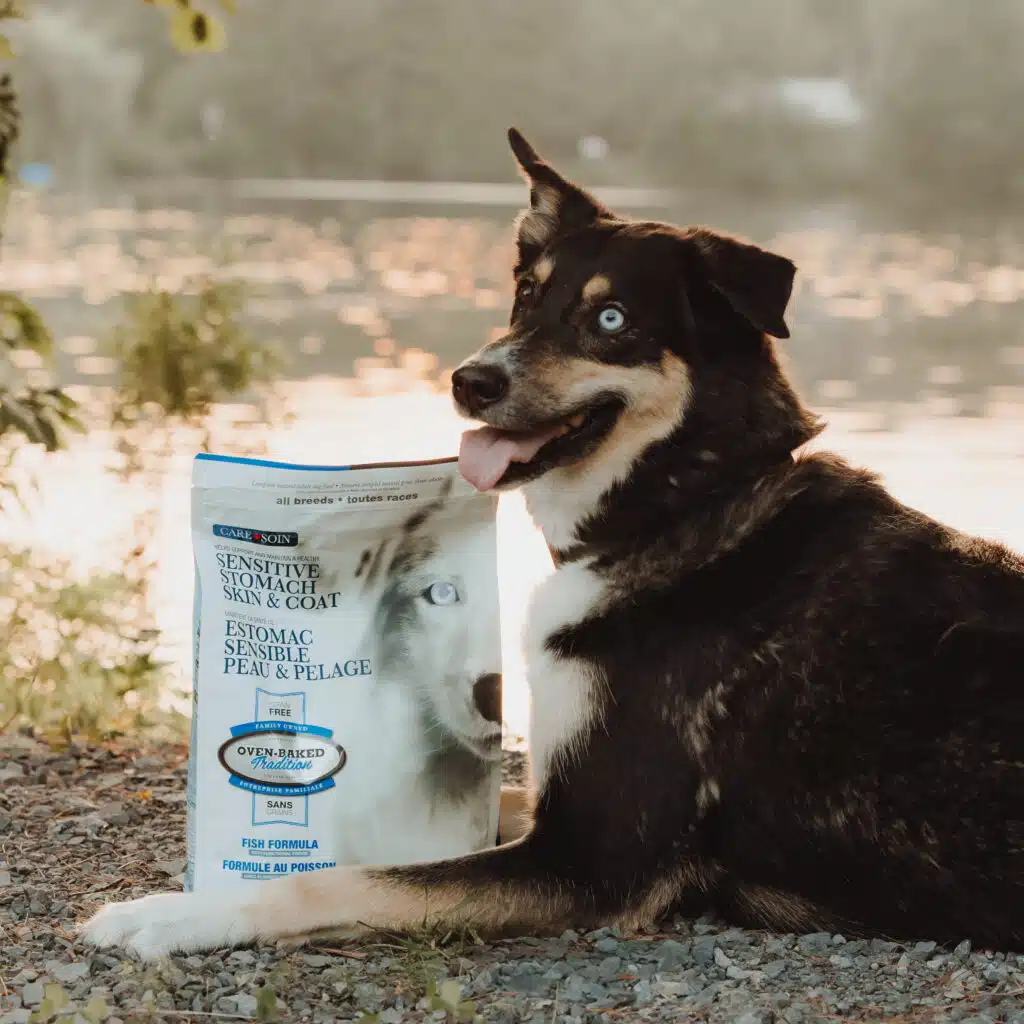
Nutrition plays a major role in maintaining healthy skin and a beautiful coat. High-quality proteins help support strong, resilient hair growth, while certain nutrients directly contribute to skin health. Omega-3 and omega-6 fatty acids are especially beneficial for dogs and cats dealing with seasonal discomfort.
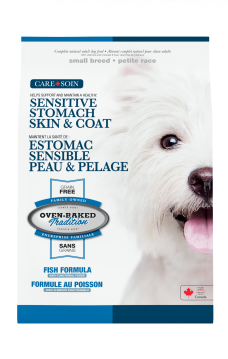
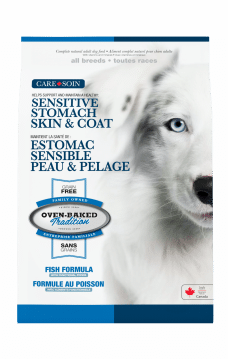
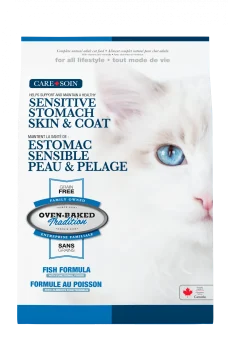
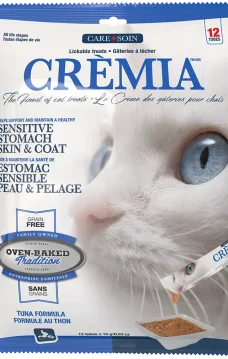
Omega-3 fatty acids are known for supporting a healthy inflammatory response, while omega-6 fatty acids help maintain soft skin and a shiny coat when properly balanced. Other nutrients such as vitamin E and zinc also contribute to overall skin health and barrier function. A complete and balanced diet therefore becomes an important ally during shedding season and allergy season alike. For pets with sensitive skin or skin discomfort, we offer tailored recipes for cats as well as dogs, including a formula for small breeds, designed to help support skin and coat health every day.
Hydration: The often-forgotten detail
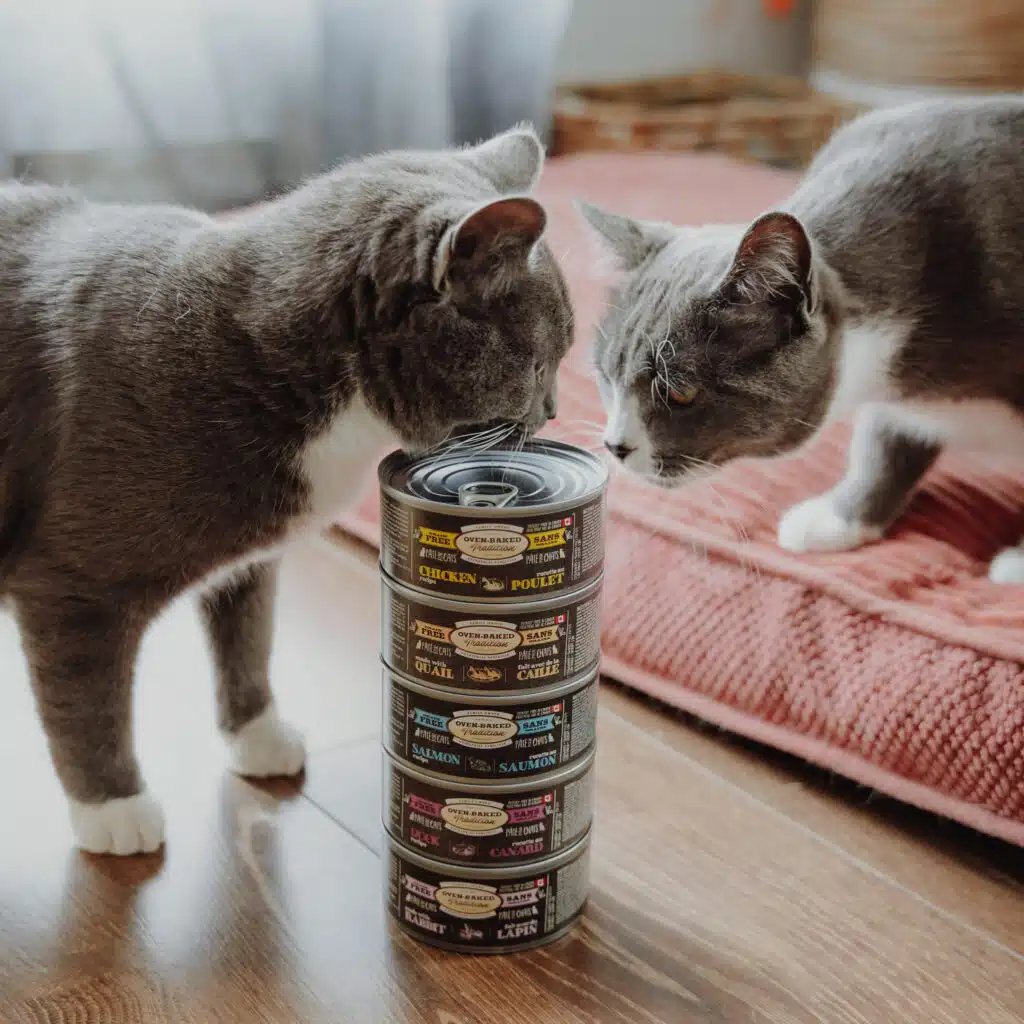
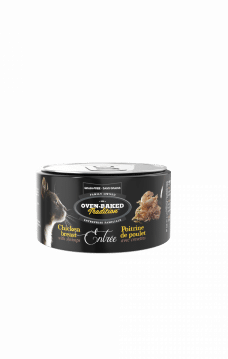
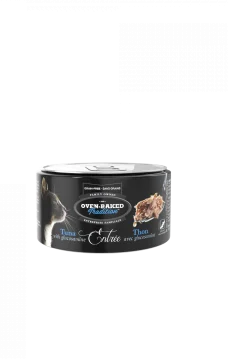
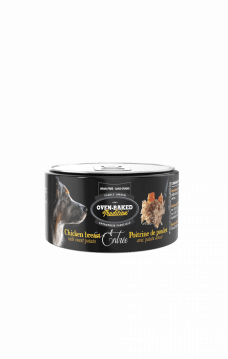
Nutrition gets a lot of attention, but water matters just as much. Proper hydration helps maintain skin elasticity and supports healthy skin cell function. Dry skin becomes more fragile and more prone to irritation. Spring often means more outdoor activities, longer walks and warmer temperatures, so pets may naturally become more active. Ensuring constant access to fresh water is essential. Cats, who are famously selective about basically everything, sometimes benefit from water fountains or wet food to encourage better hydration. Wet recipes, such as canned food and entrées, are also a great way to support water intake while providing a tasty and nutritious diet.
Brushing: More than just a beauty routine
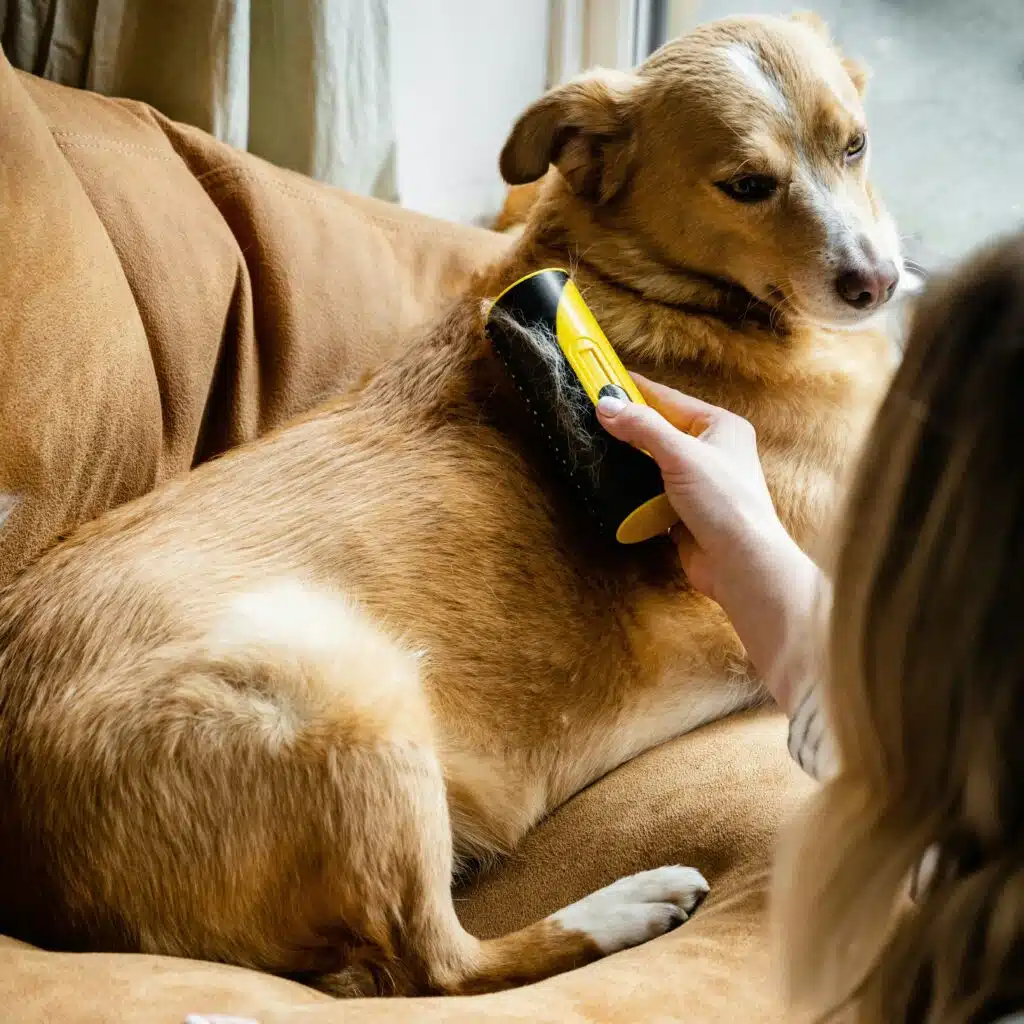
Spring brushing season can sometimes feel like an Olympic sport, but it provides real benefits. Removing dead hair helps the skin breathe better and prevents loose fur from building up inside the coat. It can also reduce discomfort associated with shedding.
For allergic pets, brushing may help remove some of the allergens trapped in the fur after outdoor adventures. As a bonus, brushing allows owners to examine the skin more closely and spot redness, irritated areas or unusual patches earlier. Let’s be honest, even if your dog occasionally treats brushing sessions like a professional wrestling match, these moments often become great bonding time.
In addition to good seasonal grooming habits, more detailed tips on spring care can help you better adapt grooming routines based on coat type and the season. For more guidance, read our article on spring grooming for dogs and cats.
Simple tips to make spring more comfortable
During high-pollen days, wiping your pet’s paws and coat after walks can help reduce exposure to allergens. Regularly washing blankets, bedding and sleeping areas can also help minimize pollen and dust build up inside the home. It is also important to avoid excessive bathing. As tempting as it may be to wash your dog after every muddy park adventure, too many baths can weaken the skin’s natural protective barrier. The goal is always to support the skin, not overwhelm it.
When should you see a veterinarian?
Significant hair loss combined with redness, sores or intense scratching should always be evaluated by a veterinarian. If your dog or cat seems uncomfortable for several days, develops ear infections, wounds or bald areas, professional advice is important. Seasonal allergies can sometimes resemble other conditions, such as parasites, skin infections or food sensitivities. A veterinarian can help determine the exact cause and recommend the best solutions for your pet.
Spring sometimes comes with a small adjustment period for our pets. Between changing temperatures, rising pollen levels and the annual mystery of “How did fur end up in my coffee again?”, it is perfectly normal for dogs and cats to experience a few seasonal inconveniences. The most important thing is paying attention to what their skin and behavior are trying to tell us. A good brushing routine, proper nutrition, hydration and a little observation can go a long way toward helping pets stay comfortable throughout the season.
Even if your vacuum cleaner temporarily becomes the hardest-working member of the household, it is still a pretty small price to pay for a happy companion waiting excitedly at the door after every walk or every sunny afternoon nap.
To better support skin health and help reduce discomfort linked to allergies,
an appropriate diet can make all the difference.
Find a retailer near you.





FAQ – Spring for Cats and Dogs
Dogs naturally shed their thick winter coats in spring to prepare for warmer temperatures. This seasonal shedding process is normal and can be especially heavy in certain breeds.
Cats also experience seasonal shedding influenced by light and temperature changes. Increased shedding during spring is very common, especially in long-haired cats.
Normal shedding usually causes even hair loss without major irritation. Allergies are more likely to involve intense itching, redness, excessive licking or irritated skin patches.
Common signs include excessive scratching, red skin, paw licking, repeated ear infections, watery eyes and occasional sneezing.
Regular brushing, supporting skin health with balanced nutrition rich in omega-3 fatty acids, and consulting a veterinarian if symptoms persist are all helpful first steps.
Treatment depends on the cause. Seasonal allergies may require veterinary care, environmental adjustments, or nutritional support for skin and coat health.
A complete diet formulated to support skin and coat health can help maintain a strong skin barrier and improve overall comfort during allergy season. While nutrition cannot cure allergies, it can help support healthier skin and coat function.