
Understanding Your Pet’s Dental Health
At the count of three, everyone grabs their own toothbrush. 1, 2…3!
Why is that? Because February is Pet Dental Health Month! While the overall picture may not seem too appealing at first glance, the fact remains that the dental hygiene of our faithful companions is a very serious matter. But let us reassure you right away: this does not mean sharing your toothbrush with your cat or dog. That’s a big no!

3 Easy Tips to Keep Your Pet’s Teeth Healthy
Instead, you can protect the teeth of your little friend by following these 3 simple rules.
- Provide your dog with a diet designed to help clean its teeth naturally. Our baking process makes our kibbles crumbly. The food fragments have an abrasive effect on its teeth, which contributes to your pet’s oral health by dislodging tartar that accumulates near its gums.
- Although it’s not always a simple thing to do, you should brush your pet’s teeth regularly. Avoid using your own toothpaste, as it contains fluoride.
- Last but not least, you should call your veterinarian for assistance. Your vet can remove tartar from your pet’s teeth in a flash.
Do We Really Need a Dental Health Month?
Well, the answer is yes! Studies show that the older our pets get, the poorer their oral health becomes. According to the Veterinarian Association, 80% of dogs over 3 years of age and 70% of cats the same age suffer from poor dental hygiene.
As a result, tartar build-up on your pet’s teeth acts like a sponge, trapping bacteria and food debris. The greater the accumulation, the greater the risk of inflamed gums. Many pets suffer in silence and the result can be much more serious than bad breath.
In fact, tartar can be accompanied by dental ulcers, bleeding gums or loss of bone density in the jaw. In some cases, poor hygiene can actually lead to respiratory infections, heart problems or even kidney damage. By regularly monitoring your pet’s dentition, you can prevent a lot of suffering.
Tip: Tartar usually appears on the back teeth. If you see red or bloody gums, it’s time to call your veterinarian.

Solutions for Maintaining Healthy Teeth
Prevention is the best ally for dental health in dogs and cats. By incorporating daily care routines, such as tooth brushing, using dental treats, and feeding an diet that promotes chewing and oral hygiene, you help reduce tartar buildup, maintain good oral health, and improve your pet’s overall well-being.
Tooth Brushing: The Foundation of Good Oral Hygiene
Regular brushing helps remove dental plaque before it turns into tartar. Using a toothbrush and toothpaste specifically designed for dogs and cats, brushing helps prevent gum disease, bad breath, and dental discomfort. Ideally, this habit should be introduced gradually from a young age.
Even though not all pets tolerate tooth brushing easily, a few short and positive sessions per week can make a real difference. Starting slowly, rewarding your pet, and being patient allows brushing to become part of the routine, promoting long-term dental health.
Dental Treats: A Convenient Addition to Your Pet’s Dental Routine
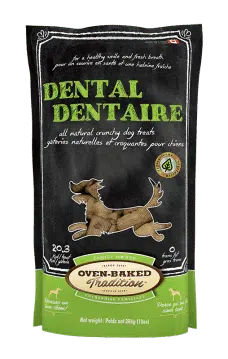
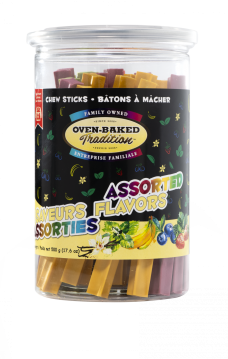
At Oven-Baked Tradition, dental health goes beyond advice. It is also reflected in the recipes we create. With this in mind, we developed a dental treat for dogs designed to support good oral health while remaining delicious. Slowly baked, these treats contain functional ingredients like mint, parsley, cinnamon, and green tea extract, known to help freshen breath and reduce tartar buildup.
Low in fat and made from natural ingredients, these treats are crafted in Quebec using whole grains milled on-site to preserve freshness and quality. They easily fit into a preventive dental routine, complementing tooth brushing while giving your dog a reward they will enjoy.
Give them to your pup as a treat. Your affectionate moments will come with a comforting fresh scent, and your dog’s bright smile will melt your heart!

Dental Food: Daily Support for Oral Hygiene
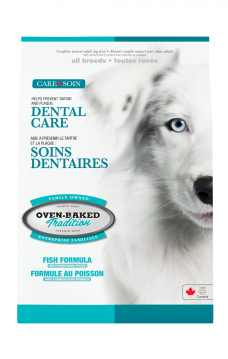
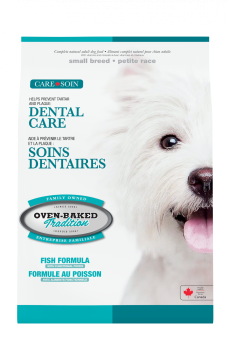
In addition to care routines like brushing and dental treats, choosing food designed for dental health can have a positive impact every day. The fish recipe for dogs is slowly baked and formulated with functional ingredients that help prevent tartar and plaque buildup, while promoting fresher breath and active chewing. This preventive recipe, developed with a team of animal nutrition experts and veterinarians, features fresh fish as the first ingredient for easy digestion and a balanced diet.
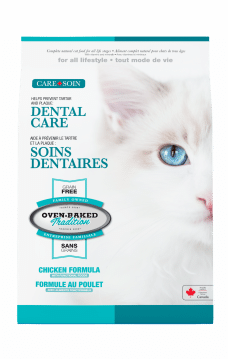
For cats, the grain-free fish formula is specially designed to help limit tartar and plaque formation while providing a texture that encourages chewing and supports better oral hygiene. In addition to its dental benefits, this food provides essential nutrients to keep your cat energetic and healthy.
Including this type of dental food in your pet’s routine helps support their teeth and gums at every meal, complementing daily care habits such as brushing or specialized treats.

Healthy Teeth for a Happy Companion
Taking care of your dog’s or cat’s dental health is more than a single action. A complete routine combining regular brushing, functional dental treats, and specially formulated food for oral health helps prevent tartar, gum disease, and bad breath.
By incorporating these simple habits into your pet’s daily life, you provide not only a bright smile but also lasting comfort and well-being. With a little consistency and the right products, keeping your companion’s teeth healthy becomes a natural and rewarding habit for both you and your pet.
Start caring for their teeth today!
Find our dental products for dogs and cats at a retailer near you and make every meal a moment of well-being.



FAQ: How to Care for Your Dog’s or Cat’s Teeth
Taking care of your pet’s teeth is essential for their health and well-being. Discover our answers to the most frequently asked questions about dental care for dogs and cats, from brushing to proper nutrition.
Dental hygiene helps prevent the buildup of tartar and plaque, reduces the risk of gum disease and infections, and contributes to your pet’s overall health. Clean teeth also help maintain fresh breath and ensure your pet can eat comfortably.
-
Provide food that promotes natural teeth cleaning, such as crunchy kibble.
-
Brush your pet’s teeth regularly using toothpaste designed for dogs or cats.
-
Consult your veterinarian for professional care, such as dental scaling.
Yes, regular brushing helps remove plaque and prevent tartar buildup, even though it may not always be easy to do.
No, human toothpaste contains fluoride, which can be toxic to pets. You should use toothpaste specifically formulated for dogs or cats.
Dental problems can appear as early as adulthood. According to the American Veterinary Dental Society, more than 80% of dogs and 70% of cats show signs of oral disease by the age of three. This is why it is recommended to start preventive care at a young age to limit tartar buildup and protect your pet’s overall health.
Tartar can lead to gingivitis, infections, tooth loss, and, over time, may affect other organs such as the heart or kidneys.
Common signs include bad breath, red or swollen gums, difficulty chewing, excessive drooling, or loss of appetite.
Some kibble and dry foods are designed to promote natural teeth cleaning. Oven-Baked Tradition’s crunchy kibble, for example, breaks into small pieces that gently scrub the teeth, helping to dislodge tartar near the gums and prevent plaque buildup. Offering this type of food regularly helps maintain good oral health.
A dental treat is specially formulated to encourage chewing while cleaning the teeth. Oven-Baked Tradition treats, with their unique texture and carefully selected ingredients, help reduce plaque and tartar while providing your pet with a healthy and tasty reward. They can be used as a complement to daily dental care, such as tooth brushing or crunchy kibble.