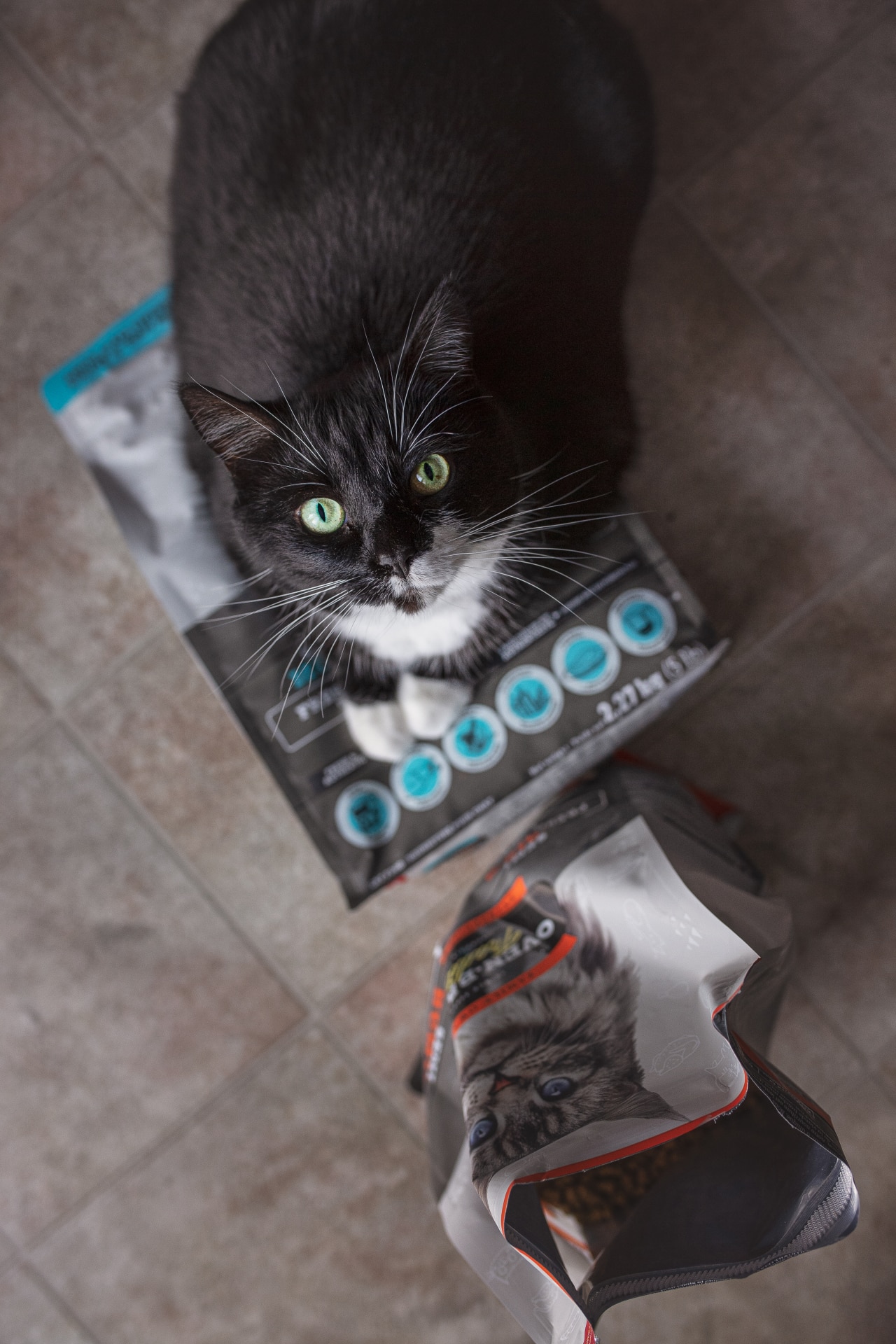
How to keep your feline feeling fine with observation, good food, and a little prevention magic. Because even the sassiest cat needs a little TLC sometimes.
Cats are famously independent and stoic. They are clever little creatures. They don’t complain when something’s wrong the way a dog might. That’s why it’s so important to learn how to spot the subtle signs of a cat’s illness or discomfort.
Understanding the early clues can make all the difference when it comes to your cat’s health and long-term well-being. Whether you’re a new cat parent or a seasoned feline whisperer, this guide will help you walk through a few easy-to-miss signs that your cat may be feeling less than fabulous.
Here’s how being observant can make a big difference in your cat’s health and keep your kitty purring with joy.
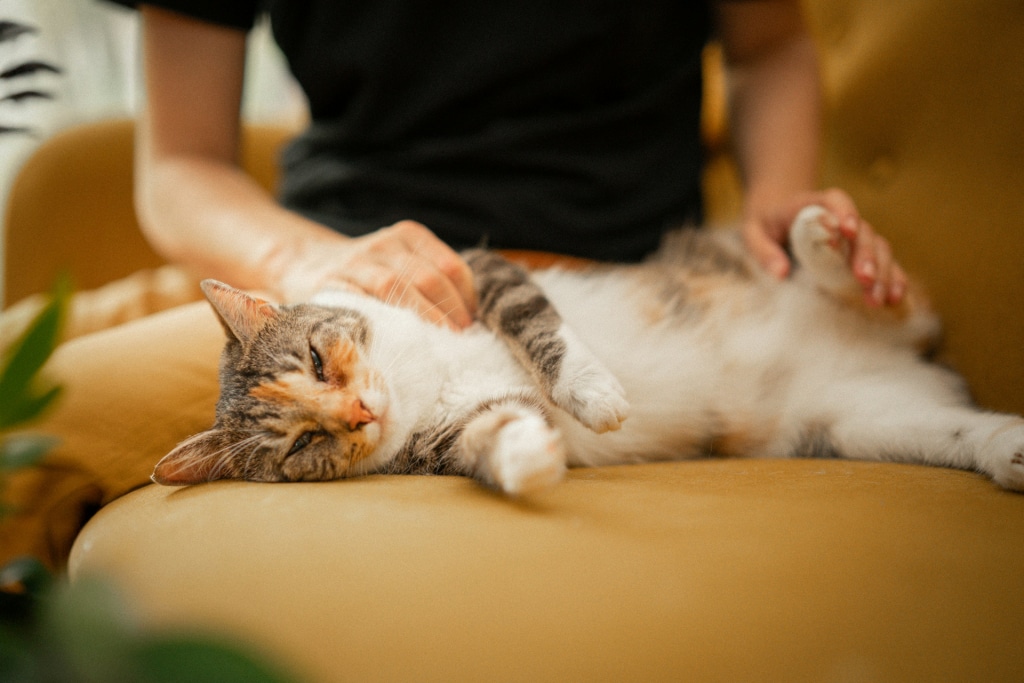
Common causes of illness in cats
Here are a few small clues with a big meaning. These could be key signs something might be off with your cat:
- Suddenly your cat is drinking like crazy?
If your cat keeps visiting the water bowl more than usual, their body might be working extra hard behind the scenes. While it could be nothing, it’s worth noting and staying hydrated is essential for cat’s health! - That bad breath isn’t just “fishy” anymore
A little post-dinner breath is normal, but if your cat’s kisses suddenly smell stronger than usual, it could be linked to dental issues or digestion. Keep an eye on those whisker snuggles for early signs of cat’s illness! - Mealtime and your cat’s appetite
If your food-loving feline is leaving kibble behind, it might be more than pickiness. Appetite changes are one of the first signs something could be off with your cat’s health, whether it’s discomfort or mood related. - Litter box drama
Let’s face it, no one wants to talk about poop… but it tells a story. If your cat’s litter habits change, if they miss the box, or they’re visiting it more than usual, it’s a sign their body’s trying to say something, maybe tied to cat’s illness. - Mood swings aren’t just a phase
Was your social butterfly suddenly replaced by a couch gremlin? When cats don’t feel their best, they often retreat, hide, or act differently. You know your cat best. Trust your gut. - Bye-bye, fur? Cat hair loss
If you notice bald spots, excessive grooming, or flakes of dandruff, it could be from allergies, stress, or skin sensitivity. Your cat’s coat is one of the best indicators of their overall preventive health. - Breathing weirdly?
No need to panic, but heavy breathing, wheezing, or extra panting isn’t typical cat behavior. If it happens more than once, it’s a good idea to take note and stay watchful and taking a prevention minded approach. If you’re unsure, don’t hesitate to call your vet.
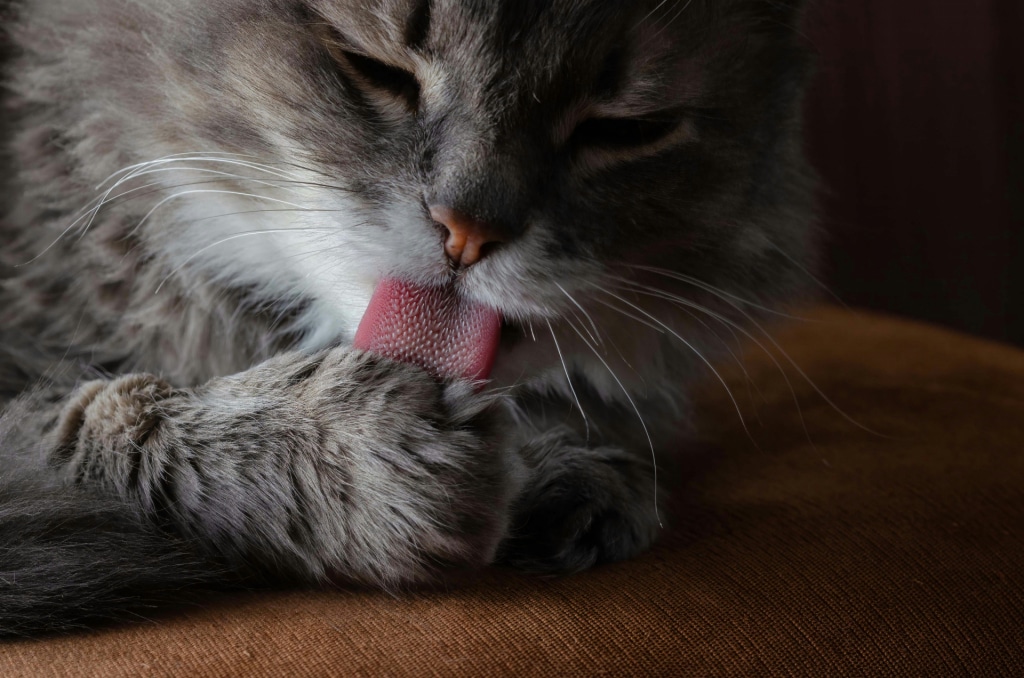
Should I worry about my cat’s appearance?
Not necessarily, but changes in your cat’s physical appearance are often little red flags about your cat’s health or cat’s diet. A healthy cat tends to have a sleek coat, bright eyes, and steady energy.
If your cat looks like they’ve lost weight, developed red or irritated skin, or their fur’s looking dull or greasy, that could be their way of saying, “Hey, something’s up.” Even a confident cat will let their coat go if they’re not feeling great, so it pays to stay observant.
Changes in Appetite & Thirst: The dynamic duo of feline wellness
Cats don’t always follow a strict water-drinking schedule, but a sudden increase in thirst might mean their body needs extra support. On the flip side, if they stop drinking altogether, that’s something to pay attention to.
When it comes to food, the same logic applies. If your cat becomes a grazer, skips meals, or starts begging for food more than usual. Their system might be adjusting to something, and your job is simply to notice, support and visit your vet if necessary for a cat checkup.
Why is my cat so chatty lately?
Some cats just love to talk (we’re looking at you, Siamese). If your typically quiet kitty suddenly has a lot to say, especially at odd hours, it could mean they’re uncomfortable, confused, or craving attention.
Not every “meow” is a cry for help. Cat’s meow to say hi, ask for dinner, or demand a lap nap. Sometimes a meow can just mean they want more Oven-Baked Tradition in their bowl. But when the vocalization changes dramatically, it’s worth paying attention to. Learn the signs of a cat’s vocalization; no one knows your cat better than you.
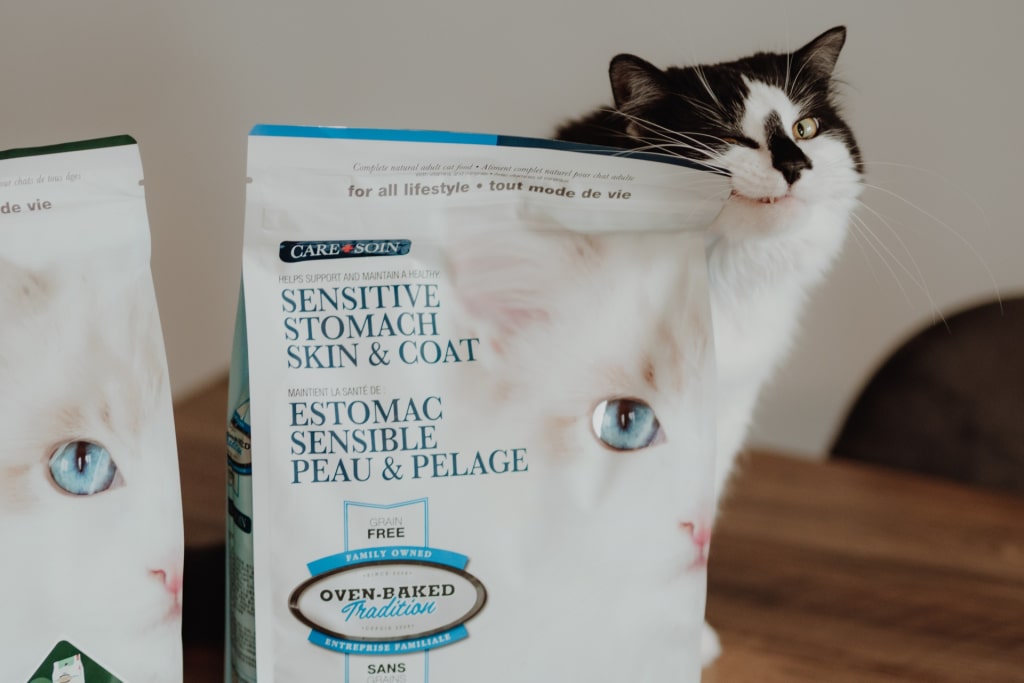
The benefits of a healthy cat diet
Prevention starts at home (and in the bowl).
Let’s be honest, your cat’s picky for a reason. Their body knows what it needs and giving them the right fuel can lead to big results. A balanced, high-quality cat diet is one of the most effective ways to support overall health, energy, digestion, and even mood. It’s not just about filling the bowl, it’s about what goes into it. So, what does a healthy cat’s diet look like?
Think about real, recognizable ingredients like fresh meats, healthy fats, vitamins, and minerals with minimal fillers and zero unnecessary additives. A cat’s diet should include ingredients that nourish the skin, boost cats’ immunity, and support digestive balance to make a real difference you can see in their coat, energy level, and litter box habits (yes, that too).
You don’t need a degree in veterinary science to help your cat stay healthy with just some good observations, regular routines, and nutritious food that supports their unique needs. And yes, regular cat checkups with your vet are also necessary.
Choose a high-quality diet, like Oven-Baked Tradition, made with real meat, slow-baked for better nutrient retention, and free from unnecessary fillers. Because at the end of the day, a great diet doesn’t just feed your pet, it fuels their whole life.
Whether your cat is a laid-back lounger or a 3 a.m. zoomie machine, their health, habits, and happiness all go paw in paw. With a bit of awareness, a thoughtful diet, and the support of slow-baked goodness from Oven-Baked Tradition, you’re giving your furry friend the tools to thrive, not just survive. When in doubt, trust your instincts, trust your cat… and trust what’s in their bowl. The way it should be!