Summer is finally here. Patios are buzzing, weekends at the cottage are calling and our furry friends are ready to be part of every adventure. Whether it’s a dog soaking up every ray of sunshine or a cat stretched out in its favorite sunny spot by the window, one thing is certain: warm weather asks a little more of them.
For us, reaching for a cold glass of water on a 30°C day is second nature. For dogs and cats, it’s a different story. Some naturally drink more when the temperature climbs. Others, especially cats, seem convinced they can make it through the entire summer on three sips of water and an extra-long nap. As amusing as that may be, staying properly hydrated is essential to their health. Water plays a vital role in keeping the body functioning at its best. It supports healthy organs, aids digestion, helps regulate body temperature and contributes to countless everyday bodily functions. Even mild dehydration can affect your pet’s energy level, comfort and overall well-being, particularly during periods of intense heat.
The good news? Keeping your pet hydrated doesn’t have to be complicated. A few simple habits can make a world of difference. And contrary to what many people believe, a full-water bowl is only part of the equation. Nutrition, daily routines and a few thoughtful tricks can all help increase your pet’s water intake and keep them feeling their best all summer long.
Let’s take a look at how to recognize the signs of dehydration, better understand your pet’s hydration needs and discover a few easy ways to help them stay happy, healthy and ready for every summer adventure.

Why Is Hydration So Important for Dogs and Cats?
Water is the single most important nutrient your dog or cat needs. Even before proteins, vitamins or minerals, it’s what allows the body to function properly. In fact, an adult dog or cat’s body is made up of approximately 60 to 70% of water. Every sip helps transport nutrients, remove waste, lubricate joints, support digestion, maintain healthy blood volume and regulate body temperature.
Unlike us, our pets don’t cool themselves by sweating. Dogs rely primarily on panting to release heat, while cats keep cool by grooming themselves and seeking out cool, shady spots for an afternoon nap. As temperatures rise, however, they still lose more water and need to replace those fluids by drinking more.
That’s why hot summer days deserve a little extra attention. A long walk, an energetic game of fetch, a hike on the trail or simply spending time outdoors can significantly increase your pet’s need for water.
Even mild dehydration can affect how your pet feels. They may seem more tired than usual, less interested in playing, reluctant to eat or simply not quite themselves. Puppies, kittens, senior pets and animals living with certain health conditions can become dehydrated even more quickly, making proper hydration especially important.
The goal isn’t to worry every time the water bowl looks half empty. It’s about building a few simple habits that help keep your furry companion comfortable, active and thriving all summer long. After all, no one wants a fun day in the sun to end with heat stress, especially not the dog who was happily chasing a tennis ball just five minutes earlier.
Nutrition and Hydration: The Connection We Often Overlook
When we think about hydration, we usually picture a full water bowl. But there’s another important piece of the puzzle that often goes unnoticed: your pet’s diet.
Not all pet foods contain the same amount of moisture. This difference naturally affects how much water a dog or cat needs to drink each day to stay properly hydrated. In other words, hydration doesn’t come only from the water bowl; it also comes from what’s in the food bowl. Understanding this connection can help you make simple choices that support your pet’s hydration, especially during the warmer months when their water needs are naturally higher.
Dry Food vs. Wet Food: What’s the Difference?
One of the biggest differences between dry and wet pet food is moisture content. Dry kibble typically contains about 8–10% moisture, while wet food contains approximately 75–80% water. That doesn’t mean dry food is the lesser choice. Both dry and wet diets can provide complete and balanced nutrition when they’re formulated to meet your pet’s nutritional needs. The real difference is that wet food contributes a significant amount of water as part of every meal.
This can be especially beneficial during the summer months, when pets naturally need more fluids to stay hydrated. For many dogs, occasionally adding wet or semi-moist food is an easy way to increase their water intake while introducing new flavors and textures to mealtime. For cats, who are often less enthusiastic about drinking water, that extra moisture can be even more valuable.
Why Do Cats Often Drink Less Water?
If you share your home with a cat, you’ve probably noticed something curious: the waterbowl barely seems to empty from one day to the next. Surprisingly, that’s perfectly normal. Cats descended from desert-dwelling ancestors and evolved to conserve water remarkably well. In the wild, they obtained much of the moisture they needed from the prey they hunted.
Even today, many cats don’t feel thirsty as quickly as dogs do, which means they often drink less water than they actually need. That’s one of the reasons many veterinarians recommend including wet food in a cat’s diet, particularly for cats that drink very little or are more prone to developing urinary health concerns.
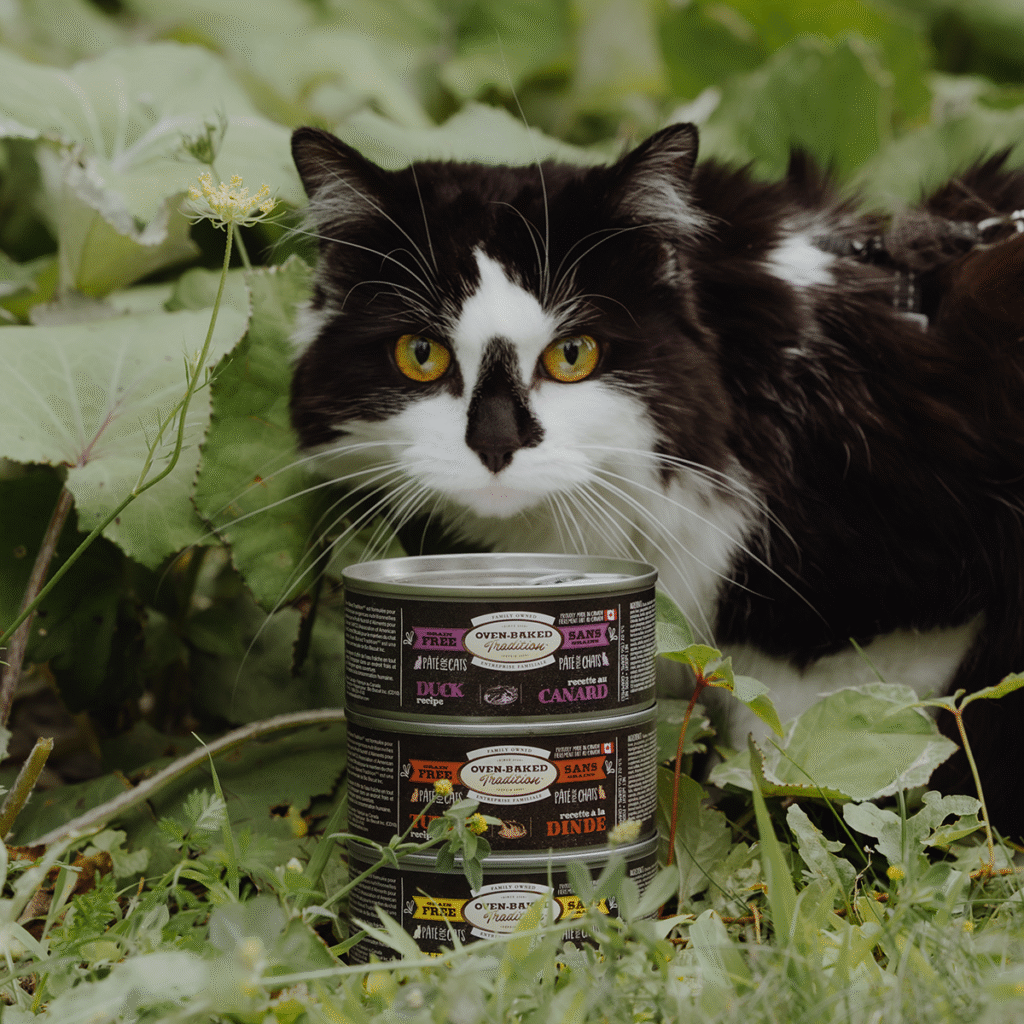
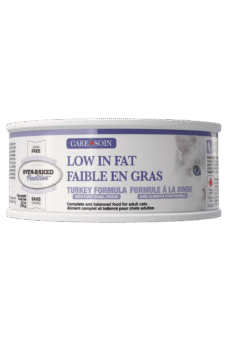
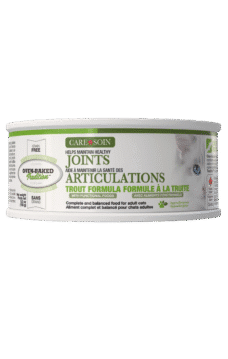
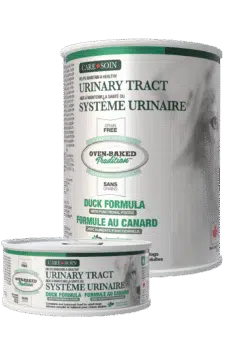
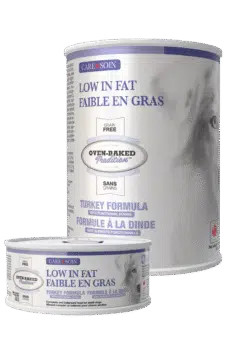
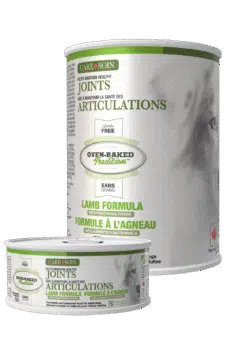
Oven-Baked Tradition’s wet and semi-moist recipes fit naturally into this approach. In addition to providing complete and balanced nutrition for a variety of life stages and nutritional needs, they also help increase your cat’s daily water intake while making mealtime even more enjoyable. Of course, wet food should never replace access to fresh, clean water. Instead, it offers a simple and delicious way to support better hydration, especially during the hottest months of the year. Let’s be honest, very few cats or dogs, for that matter, have ever complained about having a little extra variety in their bowl!
How Much Water Does a Dog or Cat Need?
Wouldn’t it be nice if there were one simple answer? Unfortunately, hydration isn’t quite that straightforward. Every pet’s water needs are different and can change from day to day. Factors such as body size, activity level, diet, age, health status and even the weather all influence how much water a dog or cat needs. Two dogs of the same weight may not drink the same amount, just as two cats living in the same home can have completely different drinking habits.
As a general guideline, healthy dogs or cats require approximately 50 to 70 mL of water per kilogram of body weight each day. This includes not only the water they drink from their bowls but also the moisture they get from their food.
For example:
- A 20 kg (44 lb) dog may need approximately 1 to 1.4 liters of water per day.
- A 5 kg (11 lb) cat may need about 250 to 350 mL of water daily.
These are general guidelines and not hard-and-fast rules. The most important thing is to pay attention to your pet’s normal drinking habits. A noticeable increase or decrease in water consumption is always worth monitoring and if it persists or is accompanied by other changes, it should be discussed with your veterinarian.
Factors that influence your pet’s water needs
Just like we tend to reach for an extra glass of water after a long hike rather than an evening on the couch, a dog or cat’s hydration needs change depending on their lifestyle.
Temperature
It’s probably the most obvious factor. The warmer the weather, the more water your pet loses while trying to maintain a healthy body temperature. A hot 30°C summer day places very different demands on the body than a cool fall walk.
Activity Level
A long hike, an energetic game of frisbees at the park, or an enthusiastic squirrel chase can all increase your pet’s water loss. Even the dog that seems to have endless energy needs to replenish those fluids after an active day.
Diet
As we’ve seen, pets fed primarily dry food generally need to drink more water than those whose diet also includes wet and/or semi-moist food. The moisture naturally present in these foods helps contribute to their daily water intake.
Size and Metabolism
Small dogs, large breeds, growing puppies and highly active cats don’t all use water the same way. Their size, age, metabolism and stage of life all influence how much water they need each day.
Certain Medical Conditions
Some health conditions, such as diabetes or kidney disease, as well as certain medications, can affect how much water your pet drinks. If your dog or cat suddenly starts drinking significantly more or less than usual, it’s always a good idea to consult your veterinarian. Rather than measuring every milliliter, the best approach is to make sure your pet always has access to fresh, clean water and to pay attention to any noticeable changes in their drinking habits.

Special Hydration Needs for Puppies, Kittens and Senior Pets
Not all pets experience summer the same way. Puppies and kittens approach every day with boundless curiosity and endless energy, often forgetting to slow down. They play, run, explore and do it all over again until they suddenly crash for a well-earned nap. Because their bodies are still developing, they can become dehydrated more quickly than adult pets. That’s why it’s important to provide constant access to fresh, clean water, especially after playtime or outdoor adventures.
As pets age, they may become less active, but that doesn’t mean they need less water. In fact, many senior dogs and cats don’t feel thirsty as often or may be less inclined to get up and walk to their water bowl. Fortunately, a few simple adjustments can make a big difference. Placing several water bowls around the house, offering wet food more regularly or simply making sure their water is always within easy reach can help encourage better hydration. Sometimes, the smallest changes can have the biggest impact on your senior companion’s comfort and quality of life.
Signs of Dehydration to Watch For
Dehydration doesn’t always happen suddenly or dramatically. In many cases, the first signs are subtle, which is why it’s helpful to know what to look for. If your dog or cat isn’t getting enough water, you may notice one or more of the following:
- Unusual tiredness or a drop in energy
- Increased panting in dogs
- Dry, sticky gums
- A drier-than-normal mouth
- Eyes that appear slightly sunken
- A decreased appetite
- Reduced skin elasticity
One of the most commonly mentioned ways to check for dehydration is the skin tent test. Gently lift the skin between your pet’s shoulder blades and release it. In a well-hydrated pet, the skin should quickly return to its normal position. If it stays raised for a few seconds, it may be a sign of dehydration.
Keep in mind that this test provides only a general indication. It can be less reliable in senior pets or those that are very lean, and it should never replace a professional veterinary assessment if you’re concerned about your pet’s health.
When Should You Seek Veterinary Care?
Severe dehydration is a medical emergency. If your dog or cat shows any of the following signs, contact your veterinarian or an emergency veterinary clinic as soon as possible:
- Extreme weakness or lethargy
- Refusing to drink water
- Persistent vomiting or diarrhea
- Difficulty standing or getting up
- Excessive panting that doesn’t improve with rest
- Disorientation or confusion
- Loss of consciousness
During periods of extreme heat, dehydration can quickly progress to heat stroke, a life-threatening condition that requires immediate veterinary attention. The good news is that most cases of dehydration are preventable. By building a few simple hydration habits into your pet’s daily routine before problems arise, you can help keep them safe and comfortable all summer long. After all, prevention is always better than treatment and sometimes, something as simple as an extra water bowl in the right place can make all the difference.

Simple Ways to Help Prevent Dehydration Every Day
The good news is that you don’t need to turn your home into a water park to keep your pet well hydrated. A few simple habits can go a long way, especially during the hottest days of summer.
Start by making sure fresh, clean water is always available. It may sound obvious, but a water bowl sitting in the sun or filled with stale water quickly loses its appeal. Many dogs and cats prefer cool, freshly replenished water, so topping it up regularly can encourage them to drink more. If your pet spends time outdoors, make sure they always have access to shade and an easily accessible water bowl. Heading out for a walk or a hike? Bring along a water bottle and a portable bowl. A few water breaks along the way can make the outing much more enjoyable for both of you.
During heat waves, it’s also best to plan walks, playtime and other outdoor activities early in the morning or later in the evening, when temperatures are cooler. Sidewalks and asphalt absorb a tremendous amount of heat throughout the day and can quickly become uncomfortable or even burn your pet’s paw pads.
How to Encourage Your Pet to Drink More Water
Not every pet is equally enthusiastic about drinking water. Some empty their bowl in seconds, while others seem to think hydration is entirely optional. Fortunately, there are plenty of simple ways to encourage better hydration. The first step is simply paying attention. No one knows your pet’s habits better than you do. If your dog is usually a bundle of energy but suddenly starts looking for shade, slowing down or lying down more often, they may simply be telling you they’ve had enough heat for the day.
Dogs are usually easy to win over when food is involved and hydration can benefit too. Occasionally adding complete and balanced wet or semi-moist food to their diet is an easy and delicious way to naturally increase their daily water intake, especially during the warmer months.
You can also try adding a little warm water to your dog’s kibble if they enjoy a softer texture. Many pet parents discover that this simple trick makes mealtimes even more appealing. After a walk or an energetic play session, give your dog a few minutes to catch their breath before offering large amounts of water. Once they’ve cooled down, they’ll naturally drink what they need. And don’t forget frozen treats! Freezing a small portion of wet food in a silicone mold or making refreshing frozen bites is a fun way to add extra moisture to your dog’s diet while rewarding them with a tasty summer treat.
For our felines, they tend to be a little more particular. Their natural instincts often lead them to prefer moving water over still water, which is why many cats love drinking from a pet fountain. If your cat doesn’t drink much, try placing several water bowls in different areas of your home. Some cats prefer to drink away from their food, while others like having water nearby wherever they choose to nap.
Believe it or not, the bowl itself can also make a difference. Many cats prefer wide, shallow bowls that allow them to drink comfortably without their whiskers brushing against the sides. Adding wet food to your cat’s diet is another excellent way to increase daily water intake. Oven-Baked Tradition’s complete and balanced wet recipes provide additional moisture while meeting a variety of nutritional needs, making them an excellent choice for cats that naturally drink very little.
Here’s one last easy tip: stir a tablespoon of water into your cat’s wet food. Most cats won’t even notice it’s there but their bodies certainly will.
When the temperature rises, we instinctively grab a water bottle before heading out the door. Our dogs and cats, on the other hand, rely on us to think ahead for them. Keeping your pet hydrated is about much more than simply filling a water bowl. It’s the little everyday habits that make the biggest difference: refreshing their water more often, planning walks during the cooler parts of the day, incorporating wet food when appropriate, offering frozen treats on hot days, and simply paying attention to their routine and behavior.
After all, our pets find countless ways to brighten our lives every single day. The excited welcome when we walk through the door. A head resting gently on our lap just when we need it most. A look that somehow says, “I’ve got you,” without a single word. Making hydration a priority is one small way to give back for everything they give us. Sometimes, love is as simple as a fresh bowl of water and the person who remembers to refill it.
Help Your Dog or Cat Stay Well Hydrated All Summer Long.
Find an Oven-Baked Tradition Retailer Near You.




FAQ – Dog and Cat Hydration
Water is essential for nearly every function in your pet’s body. It supports digestion, helps transport nutrients, maintains healthy circulation, removes waste, regulates body temperature and contributes to healthy kidney and urinary function.
As a general guideline, healthy dogs and cats need approximately 50 to 70 mL of water per kilogram of body weight per day. However, water requirements vary depending on factors such as temperature, activity level, diet, age and overall health.
Several factors influence how much water a dog or cat needs, including warm weather, exercise, dry versus wet food, age, body size, certain medical conditions and some medications.
Yes. Puppies and kittens can become dehydrated more quickly because they’re growing and are often very active. Senior pets may drink less because they don’t feel thirsty as often or are less inclined to walk to their water bowl. During hot weather, both young and senior pets deserve extra attention to help them stay hydrated.
One of the biggest differences is moisture content. Dry food typically contains about 8–10% moisture, while wet food contains approximately 75–80% water. As a result, wet food naturally contributes more to your pet’s daily water intake.
Pets that eat wet food naturally consume more water during mealtime. This can be especially beneficial for cats and for pets that don’t drink enough water on their own.
Common signs include low energy, dry, sticky gums, excessive panting, loss of appetite, reduced skin elasticity and, in more severe cases, weakness or disorientation.
A dehydrated cat may appear more tired than usual, eat less, have dry gums or produce less urine. If you’re concerned about your cat’s hydration or notice unusual changes, contact your veterinarian promptly.
There’s no exact answer, as it depends on factors such as temperature, activity level and overall health. During hot summer weather, dehydration can develop quickly. If your pet refuses to drink water altogether, they should be evaluated by a veterinarian as soon as possible.
Cats evolved from desert-dwelling ancestors and naturally conserve water more efficiently than dogs. Because of this, many cats don’t feel thirsty as often and may drink less than they actually need.
Try placing several water bowls throughout your home, using a pet water fountain, offering more wet food or adding a little water to your cat’s meals. These simple changes are often enough to help increase daily water intake.
Fresh, clean water is always the best choice. While small amounts of plain coconut water are generally safe for healthy dogs, it naturally contains sugars and is high in potassium. It should not replace fresh drinking water or be used as a regular source of hydration. If your dog has an underlying medical condition or if you’re unsure, consult your veterinarian before offering it.