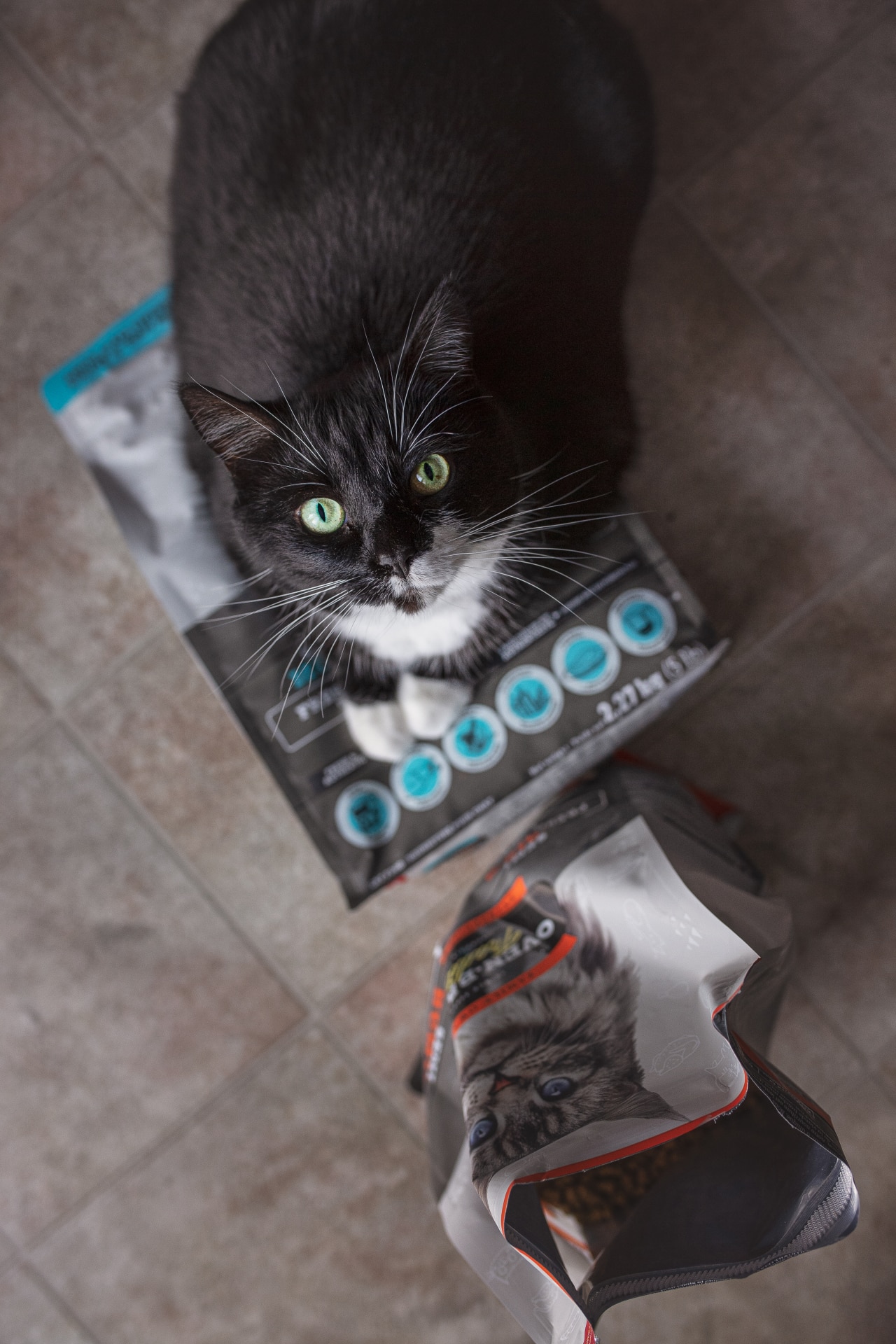
Ahhh, spring. The snow melts, the sun comes back and your cat somehow manages to shed enough fur to create a whole second animal. If it feels like you’re living with a tiny, walking cloud of fluff, don’t worry you’re definitely not alone. But behind this perfectly normal seasonal shedding comes a slightly less glamorous reality: hairballs. Yes, those lovely little surprises your cat carefully chooses to cough up, ideally on your favorite rug, around 6 a.m.
Beyond the occasional (and inconvenient) cleanup, hairballs can also cause digestive discomfort for your furry companion. The good news? With a few simple adjustments, like nutrition, hydration, and coat care, you can make this season much easier for both your cat and yourself.
So, get comfortable (preferably somewhere fur-free), and let’s walk through it together.

Why Can Spring Lead to More Hairballs?
In the spring, your cat swaps out their thick winter coat for a lighter one. The result? A lot of shedding. And since your cat takes grooming very seriously (we’ll give them that), they spend a good part of their day licking their fur clean. In the process, they swallow quite a bit of loose hair. Normally, those hairs pass through the digestive system without much trouble. But when the amount becomes too high, it can build up and form a hairball. Literally.
The Impact on Digestion
Once formed, hairballs can cause a few uncomfortable symptoms:
- Occasional vomiting
- Constipation
- Decreased appetite
- A slightly grumpy attitude (yes, it counts)
Most of the time, it’s nothing serious. But if these symptoms become frequent or more intense, it’s worth paying closer attention. In short, spring may be beautiful but for your cat’s digestive system, it can feel a bit like running a marathon without training. That’s why giving them a little extra support goes a long way.
Nutrition: A Key Factor in Managing Hairballs
It all starts in the bowl. A high-quality diet with highly digestible protein helps support an efficient digestive system. Ingredients like turkey, duck, and white fish are great options. They’re easier to digest and help promote smoother intestinal transit. And let’s be honest, a well-functioning digestive system is key to keeping hair from building up where it shouldn’t. As a bonus, this type of diet is often better tolerated by cats with more sensitive stomachs.
Fiber and Digestive Enzymes
Fiber plays an essential role in managing hairballs. It helps move ingested hair through the digestive tract so it can be eliminated naturally.
For example:
- Cellulose (a gentle fiber) helps hair pass through more easily
- Certain digestive enzymes, like bromelain, help break down proteins more efficiently
This is where functional treats come in. Instead of being just a tasty reward, some treats can actively support digestive health. Offering a treat designed to help manage hairballs is like giving your cat a little extra support without them even realizing it (and that’s a win).
Crèmia: The Treat That Helps Support Hairball Management
This is exactly where a well-designed product can make a real difference. Since fiber and certain digestive enzymes can help support the natural management of hairballs, it can be beneficial to simply incorporate them into your cat’s daily routine.
Crèmia – Hairball turns treat time into a wellness moment. This hypoallergenic lickable treat is grain-free and gluten-free, made with duck, a protein known to be easier to digest, as well as broth to help support hydration. Its recipe also includes cellulose powder and bromelain, two functional ingredients that work in synergy to help control hairballs. A simple and tasty way to give your cat a little extra, while supporting their digestive comfort every day.

The Importance of Hydration
It’s often overlooked, but hydration is key. A well-hydrated cat will have better digestion, which helps prevent constipation and makes it easier to eliminate ingested hair. The challenge? Cats aren’t always big water drinkers. One simple solution is to add moisture directly to their diet.
Wet foods or toppers added to kibble are a great option. They boost water intake while also making meals more appealing and enjoyable. And let’s be honest when a meal smells good and tastes great, your cat is much more likely to stay interested.
A Healthy Coat, Fewer Hairballs
A beautiful coat isn’t just about looks, it serves a purpose. A diet rich in essential fatty acids helps:
- Improve coat quality
- Make fur stronger and more resilient
- Reduce excessive shedding
- Less shedding means less hair being swallowed.
Specialized formulas designed for skin & coat or sensitive digestion can make a noticeable difference in your cat’s daily comfort.
When Nutrition Supports Skin, Coat, and Digestion
Since a healthy coat can help reduce the amount of hair a cat ingests, nutrition plays a central role in hairball management. A well-formulated diet can support digestion, skin health, and coat quality all at once. That’s the thinking behind our Grain-Free Sensitive Stomach, Skin & Coat recipe for adult cats.
Made with fresh herring and salmon, it provides a natural source of omega-3 fatty acids that help maintain a shiny, healthy coat. Its hypoallergenic formula is enriched with fruits, vegetables, vitamins, and essential minerals, making it especially suitable for more sensitive cats. It also includes marine microalgae, known for their antioxidant content and their role in supporting skin and coat health. A complete approach to feline well-being that also helps indirectly reduce hairballs over time.

A Simple Spring Routine to Pamper Your Cat
It’s the perfect time to introduce a simple wellness routine and it doesn’t have to be complicated. Start by brushing your cat (yes, even if they pretend not to love it at first). This will help remove loose hair before it gets swallowed. Then comes the treat. ?
That positive association can turn brushing into a bonding moment instead of a struggle. Add to that a balanced meal with digestible proteins, a moisture-rich topper, and/or a functional treat. And there you have it: a simple, effective routine your cat will actually approve of (which is already a win in itself).
Spring doesn’t have to mean constant cleanups and digestive discomfort for your cat. With a few simple habits, proper nutrition, good hydration and a little extra attention to coat care, you can make a big difference in their overall well-being. In the end, those small moments of care, brushing, treating and sharing mealtime become something more. They’re opportunities to connect. Because a cat that feels good, comfortable, and at ease in their own fur is a happy cat. That’s when you realize those small daily habits truly matter. And, honestly, between a happily purring cat and a slightly less furry sweater, the choice is pretty easy.
Help prevent hairballs for a lighter, more comfortable spring for your cat.
Find a retailer near you today.
FAQ – Spring and Hairballs
To help a cat with hairballs, focus on a winning combination. A fiber-rich diet, proper hydration and regular brushing. Functional treats can also support digestion.
Prevention comes down to routine. Brush your cat regularly, feed a suitable diet and add moisture to their meals.
Dietary fiber and healthy digestion often help eliminate hairballs naturally. If the issue persists, consult your veterinarian.
Reducing hairballs involves limiting the amount of hair ingested (through brushing) and supporting digestion with proper nutrition and hydration.
A cat trying to expel a hairball will usually retch with a distinct, rough sound. A cough, on the other hand, tends to be drier, shorter and more repetitive. When in doubt, it’s always best to consult a veterinarian.
Nutrition plays an important role in helping prevent hairballs. A high-quality diet, rich in highly digestible proteins and appropriate fiber sources, can help support healthy digestion and promote the natural elimination of ingested hair through the digestive tract.
Yes. Oven-Baked Tradition offers options designed to support feline digestive health, such as the functional treat Crèmia – Hairball, formulated with cellulose powder and bromelain, as well as specialized recipes that help support digestion, skin, and coat health.
Choose a complete diet made with highly digestible proteins and enriched with nutrients that support digestive health, ideally including essential fatty acids to help maintain coat quality. A healthy coat can help reduce excessive shedding and, in turn, hairball formation.
Some functional treats can be beneficial when they contain targeted ingredients such as fiber or digestive enzymes. They can easily be added to a daily routine and used alongside a balanced diet to support overall digestive health.