Here’s the good news: dogs can stay home alone if it’s done right. It’s all about matching the time apart to your dog’s personality, creating routines that make them feel safe, and giving them the tools to thrive when you’re not around. To work on smooth, progressive habituation, check out our training tips.
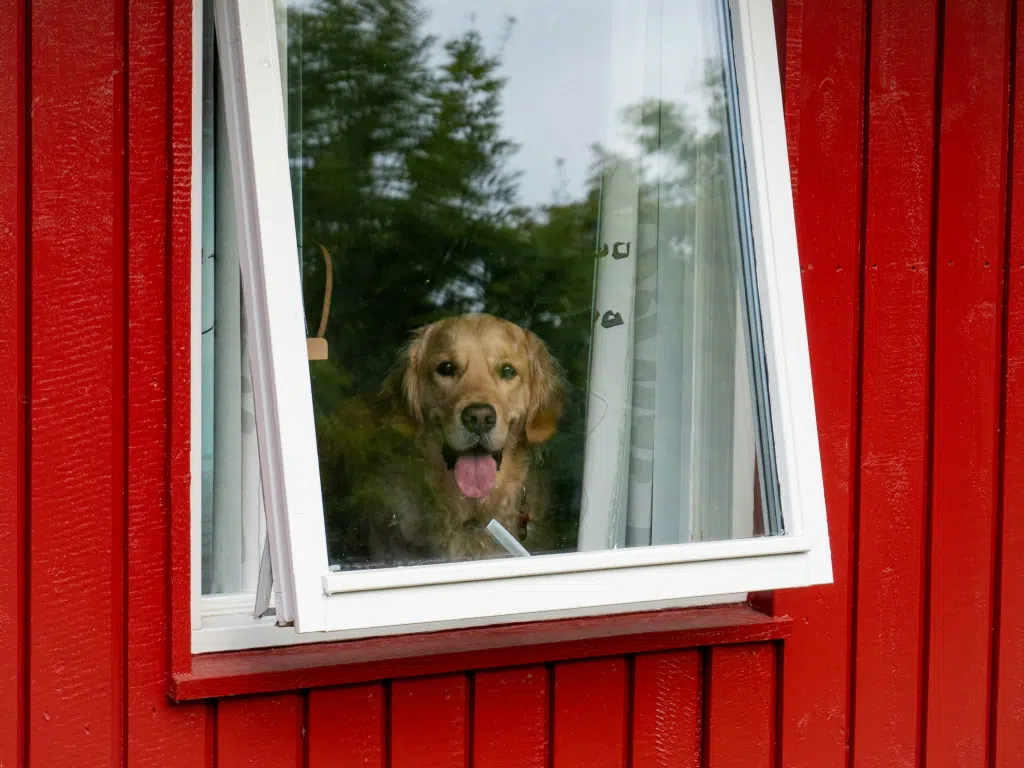
Who hasn’t felt that little tug at the heart when closing the door, while your pup stares back at you with those big, sad eyes? You promise you’ll be back soon, but the guilt sneaks in anyway. Between work, errands, and the endless to-do list, leaving your dog home alone is often unavoidable. The real question is: how do we make it easier for both your furry sidekick and your family’s peace of mind?
The truth is, just about every dog parent faces this dilemma. Life happens, and being with your pup 24/7 simply isn’t possible. Still, the thought of leaving them behind often stirs up worry (and maybe a dash of guilt).
So, let’s dive into how long a dog can actually stay home alone, how to prepare them for it, and the best ways to keep them happy and stress-free while you’re away.
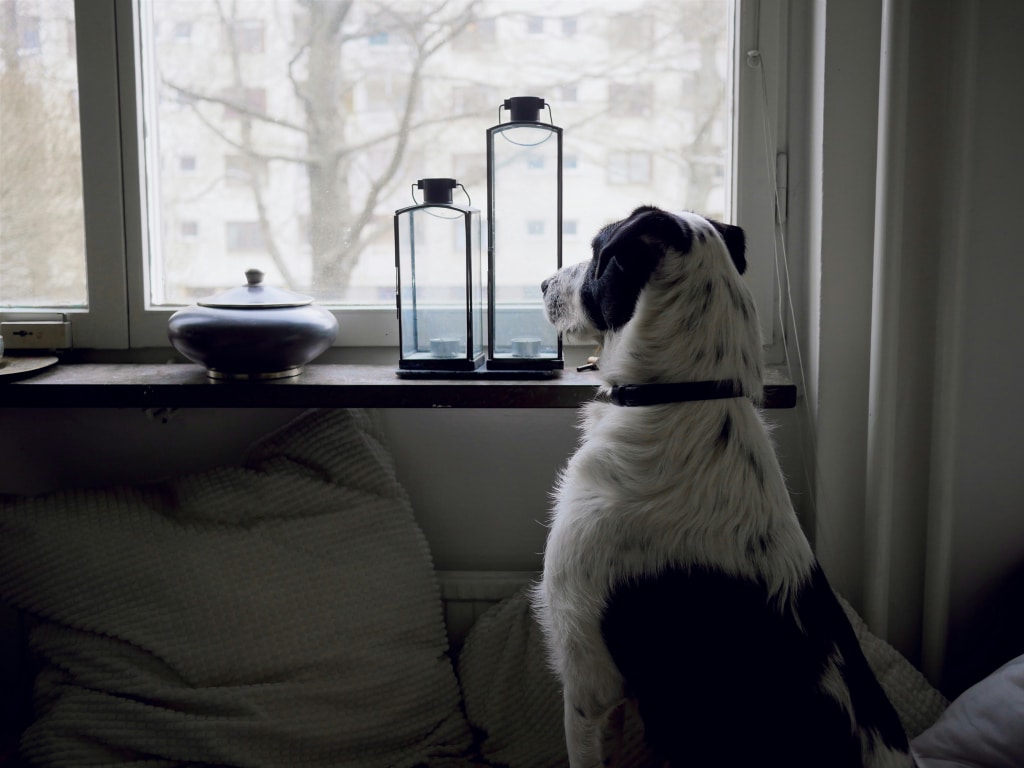
Can you really leave your dog home alone?
Absolutely! But let’s be clear, it’s not about slamming the door and vanishing like you’re in a spy movie. Dogs are social creatures. They love our cuddles, our playtime, and yes, even those conversations we have out loud when no one else is around.
The good news? With the right preparation, most dogs can handle a few hours on their own. A well-exercised pup, belly full, and safe in a cozy environment is way more likely to nap than to turn your living room into a DIY project. It’s all about balance and giving them enough independence to chill, while making sure they still feel loved.
How long can a dog be left alone?
The answer really depends on age, personality, and training. Here are some general guidelines:
- Puppies (up to 6 months): 1 to 2 hours max. Their bladders are tiny, and they’re still learning how to handle being alone.
- Young dogs (6–18 months): 2 to 4 hours, as long as you build it up gradually.
- Balanced adult dogs: 4 to 6 hours is usually fine. Some can handle a full workday (around 8 hours), but that shouldn’t become the daily routine.
- Senior dogs: It really depends on their health and mobility. Older pups often need more potty breaks and a little extra reassurance.
Golden rule: The longer you’re gone, the more important it is to balance things out with exercise, playtime, and cuddles before you leave and once you’re back.
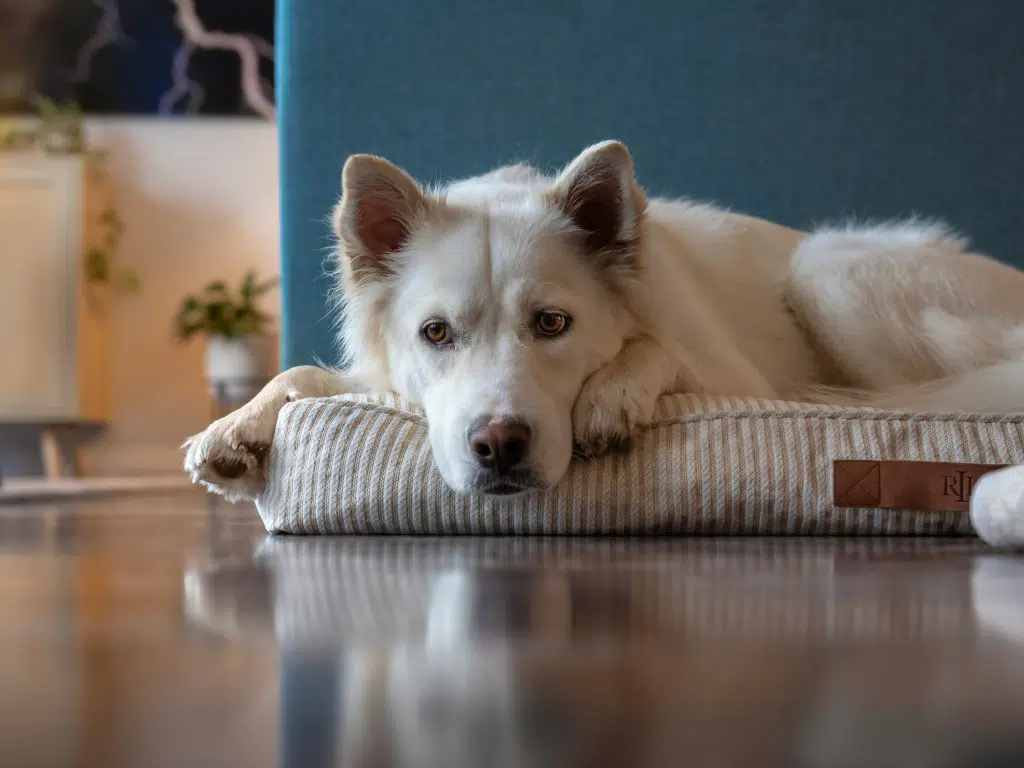
What happens when a dog is left alone?
When a dog struggles with being alone, it can quickly turn them into little balls of stress. Some pups will whine, bark their lungs out, or chew on just about anything within reach. Yes, sometimes it includes your favorite shoes. Others, bored and frustrated, might discover their inner interior designer, giving your couch a “new look” or turning your trash can into an all-you-can-eat buffet.
But it’s not just about the mess. Stress can show up physically too! Loss of appetite, digestive issues, constant restlessness, all of which can affect your furry friend’s health. And the emotional side? A dog who constantly feels abandoned can develop insecurity, which impacts their bond with you.
The opposite is true as well. A dog who learns, step by step, to be alone develops confidence, independence, adaptability and skills that will serve them for life. In short, when managed well, alone time isn’t a punishment; it’s a gift that helps your dog feel comfortable and secure, even when you’re not around.
What affects a dog’s ability to stay home alone?
Every dog is unique, and how well they handle alone time depends on a mix of factors. Puppies, adults, and seniors all have very different needs. Some breeds are natural independent spirits, while others would happily stick to you 24/7. Dogs who get used to being alone early on usually handle it much better than those who are always surrounded by company.
Exercise plays a huge role too. A pup with plenty of physical and mental stimulation is more likely to settle down for a nap, while an over-energetic dog can turn your living room into a whirlwind of chaos. Health matters as well. Aches, pains, or discomfort make alone time much harder to manage.
Age, breed, habits, energy, and health all combine into a cocktail that determines whether your absence will be a simple break for your dog or feel like the end of the world.
How to prepare your dog for alone time?
Teaching your dog to stay home alone is just like training, it takes practice. The key is gradual progression. Start early (especially with puppies) and go step by step: leave for a few minutes, then slowly increase the time. Keep departures and arrivals low-key and no dramatic goodbyes or over-the-top celebrations when you get home. Your calm energy is contagious. Another secret! Routine. Consistent schedules help your dog understand that your absences are just a normal part of the day. A small, quiet departure ritual like ignoring them for a few minutes before leaving can also make a big difference.
Set up a space where your dog feels safe and comfortable: a secure area (closed room, baby gate, or crate if already accustomed), a cozy bed, and always fresh water. Don’t forget the ultimate combo like a walk or play session before you leave. A physically and mentally exercised dog is much more likely to choose a nap over redecorating your living room!
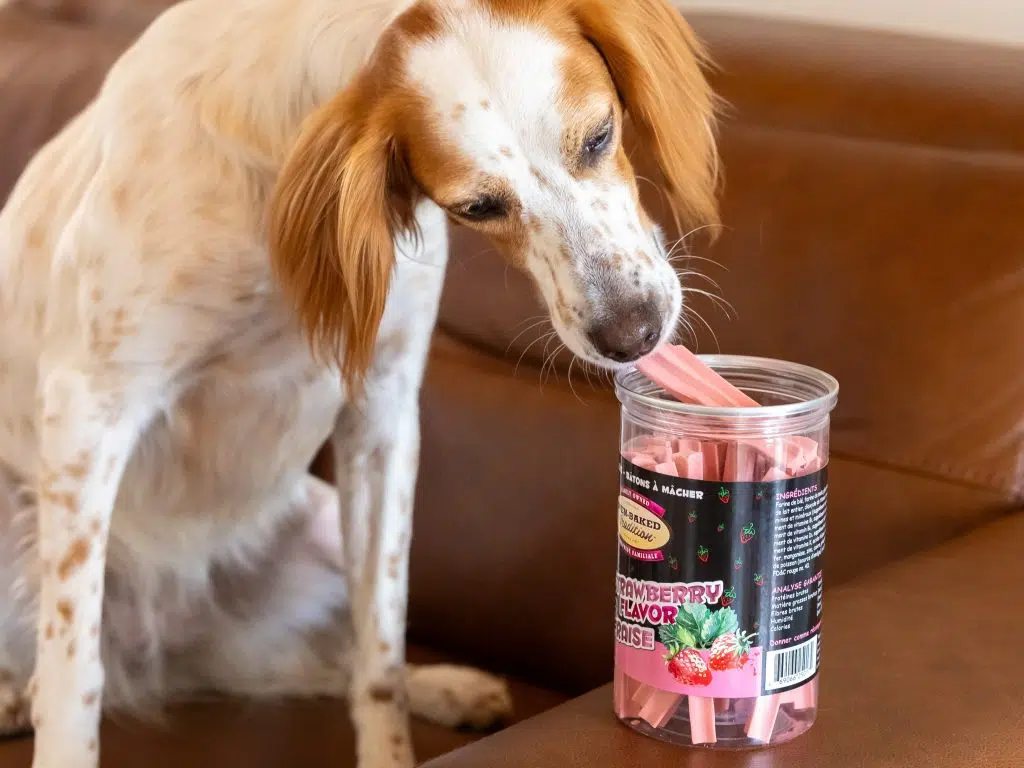
Practical Tips to Make Alone Time Easier
There are plenty of simple tricks to help your dog handle your absences with ease. Interactive toys, like treat-dispensing puzzles, snuffle mats, or chew sticks/toys, keep them busy while stimulating their minds.
Soft music or background noise, a radio or relaxing playlist can also have a calming effect. A pet camera is another great tool, giving you peace of mind while checking in on your dog from afar. Some pups even find comfort in an item that carries your scent, like a recently worn T-shirt.
For longer stretches away from home, a little extra company can make all the difference: a dog walker, a helpful neighbor, or even a doggy daycare can turn alone time into a positive, enriching experience for your furry friend.
The moment you leave deserves a little subtlety. Too many hugs, reassuring words, or elaborate rituals can unintentionally make your dog feel like you’re leaving “forever,” intensifying that sense of abandonment. Remember: you can’t expect a dog to stay calm if their basic needs aren’t met. A pup who hasn’t had a walk, a potty break, a meal, or a full-water bowl simply won’t have the energy or the mindset to chill while you’re away.
When to ask for help?
Even with all your best efforts, some dogs still experience your absences like you’ve left on a world tour without them. If every departure turns into a full-blown drama, it’s time to call in reinforcements. A dog trainer who specializes in separation anxiety can guide you with tailored exercises and a realistic step-by-step plan.
If your furball is showing physical symptoms like vomiting, diarrhea, or even self-harming behaviors, a vet visit is essential to rule out any health issues. And for more complex situations, a certified animal behaviorist can provide a personalized plan, designed to keep both you and your dog happy and stress-free.
In conclusion, leaving your dog home alone isn’t a tragedy as long as you set them up for success and respect their pace. And while your absences might sometimes feel long, remember that they make your reunions all the more special. After all, it’s no secret: the moment you step through that door, your dog’s love hits its peak. Whether you’ve been gone ten minutes or eight hours, in their eyes, the greatest hero in the world has just come home.