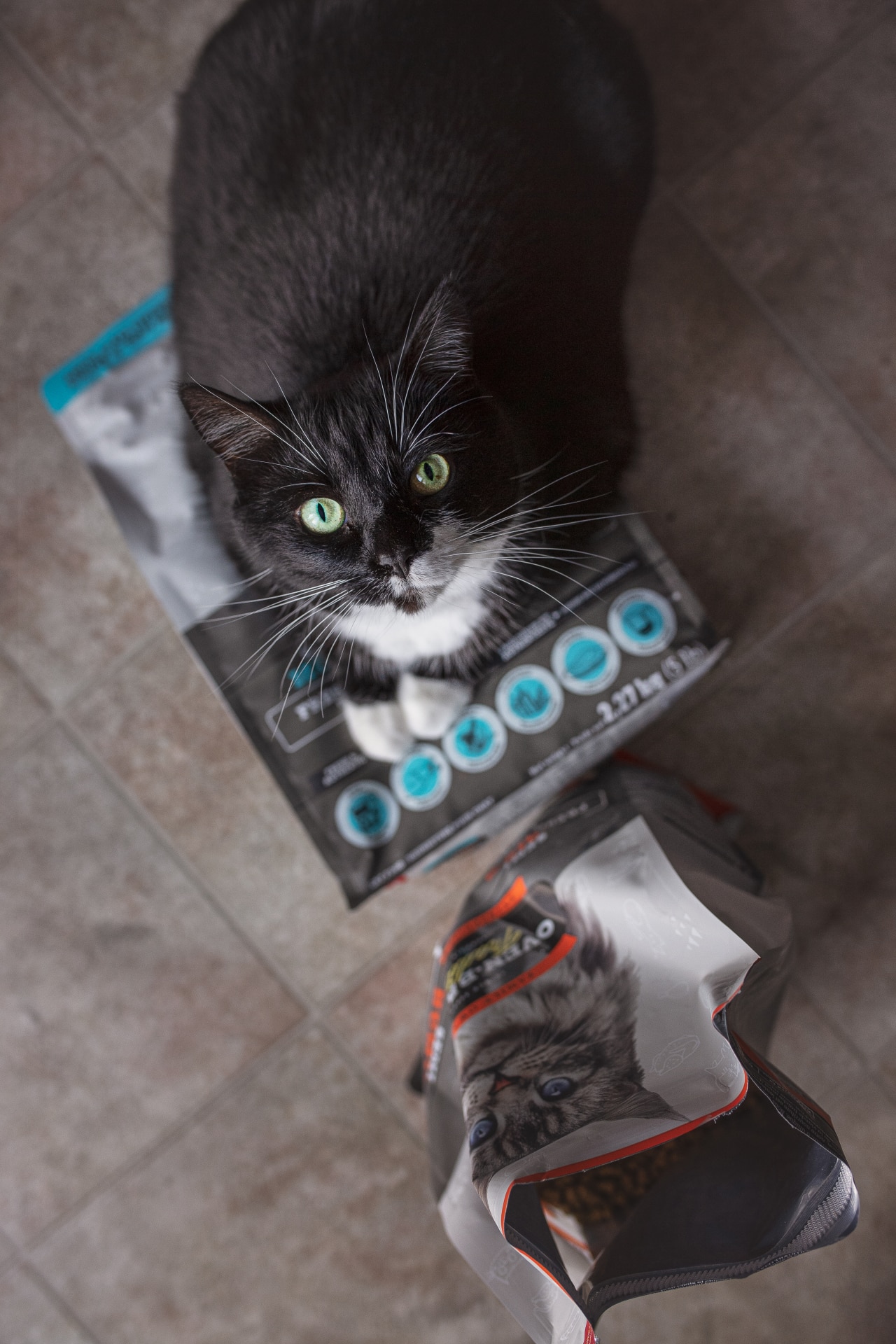
Training your dog is not always easy. It requires patience, consistency and sometimes a bit of creativity to keep your loyal companion motivated. Treats are much more than a simple reward. They are a powerful learning tool in dog training. When chosen wisely, they boost motivation, help dogs better understand exercises and contribute to a positive training experience.
In this guide, discover how to select and use the right treats for effective training, which types to prioritize based on your dog’s needs, and which options to avoid to maximize results, without compromising your dog’s well-being.
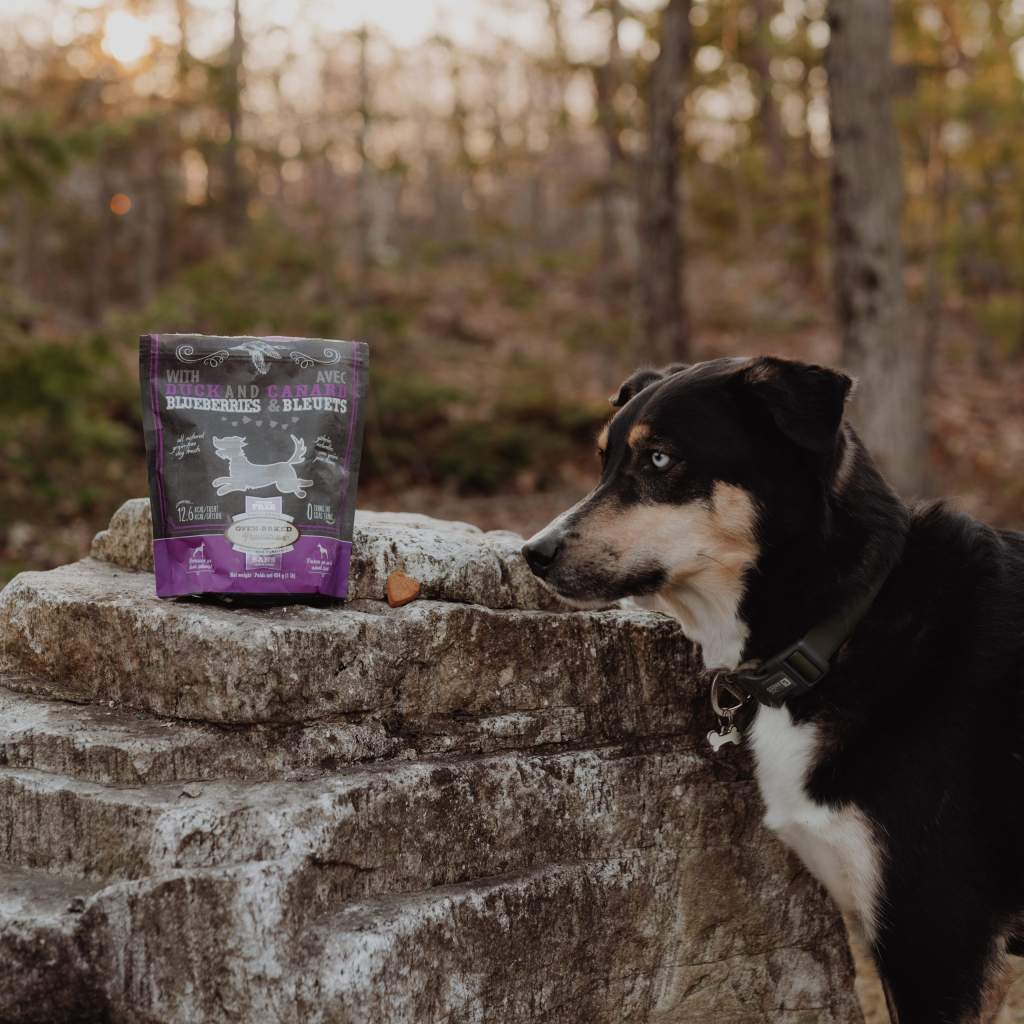
The Role of Treats in Dog Training
Treats play a central role in your dog’s learning process, especially when using positive reinforcement, a training method widely recognized for its effectiveness and kindness.
Unlike punishment-based methods, positive reinforcement focuses on rewarding desirable behaviors to encourage their repetition. Treats then become much more than a simple pleasure. They turn into a communication and motivation tool, while also creating small, joyful bonding moments that strengthen the special connection between you and your loyal companion.
Motivating Your Dog
Motivation is one of the key factors for successful training. A tasty reward given at the right moment encourages your dog to repeat the desired behavior. Whether it is learning a new trick, reinforcing obedience, or practicing recall, treats help capture your dog’s attention and boost engagement.
Reinforcing Learning
The success of positive reinforcement relies on precise timing of the reward. Treats that are easy to eat and appealing help strengthen the connection between a behavior and its positive consequence. The clearer and more immediate this link, the faster your dog will understand what is expected.
Creating a Positive Experience
Training should be an enjoyable experience for both you and your dog. Treats help turn sessions into positive experiences, reducing stress and building mutual trust. A dog that associates training with enjoyable moments will be more receptive and enthusiastic to participate.
Adapting to Your Dog
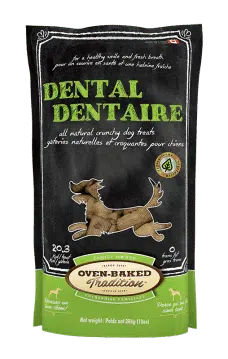
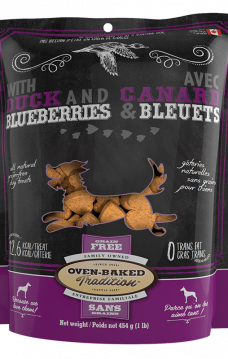
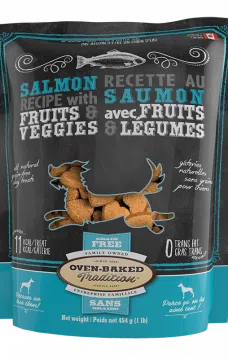
Not all treats are suitable for every dog. The role of a treat also depends on your dog’s specific needs. Some dogs prefer soft treats, while others are motivated by richer or more aromatic pieces. Some treats, like those from Oven-Baked Tradition, combine palatability, nutritional quality, and health-conscious ingredients, making them ideal allies for training.
Why Use Treats for Dog Training?
Treats are not just a pleasure for your dog. They are a powerful tool that facilitates learning, boosts motivation, and strengthens the bond between you. Here are the main reasons to use them:
- Facilitate communication: Treats allow you to immediately mark the correct behavior and speed up learning.
- Encourage repetition: Each success becomes a small, motivating victory that prompts your dog to repeat the behavior.
- Reinforce focus: Treats capture your dog’s attention even in distracting environments.
- Adapt to your dog’s needs: Some treats are easier to digest, while others are more appealing depending on the dog.
- Create a playful and affectionate bond: Treats turn training into a moment of connection and trust between you and your loyal companion.
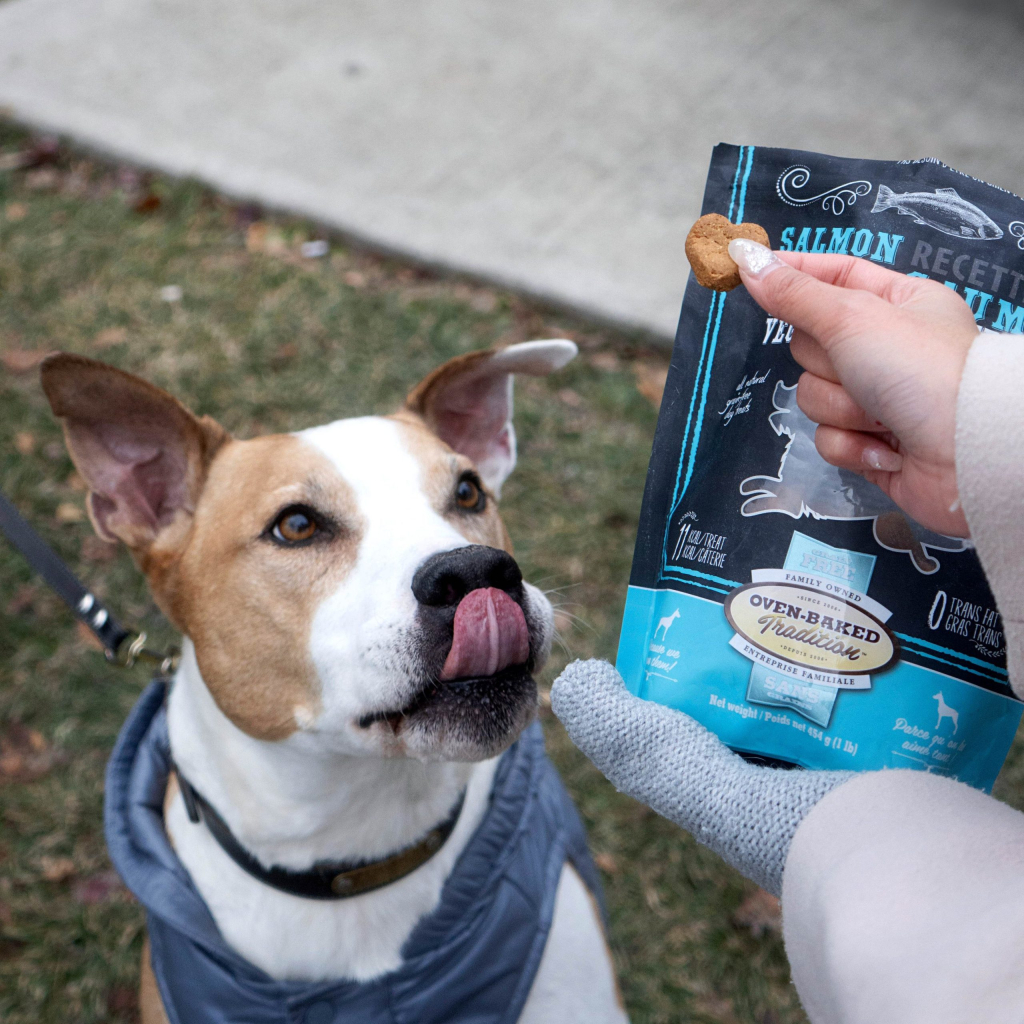
How to Choose the Right Treat for Your Dog?
Choosing the right treat is essential for training to be both effective and enjoyable. Every dog is unique. Their age, size, preferences, and health all influence the type of treat to prioritize.
Here are the main criteria to consider:
- Size and shape: Small treats are ideal for repetitive sessions, especially for small dogs. They can be given quickly and eaten in seconds, allowing you to immediately reinforce the behavior.
- Texture: Soft treats are perfect for training because they are easy to chew and quick to consume. Avoid hard sticks or large biscuits for short, frequent sessions.
- Nutritional and caloric value: For frequent training, choose low-calorie treats to prevent weight gain. Hypoallergenic or grain-free treats can also be suitable for dogs with dietary sensitivities or intolerances.
- Palatability: Some treats are more flavorful or aromatic and can motivate your dog more, especially during difficult exercises or in distracting environments.
- Specific dog needs:
- Puppies: Choose soft treats that are easy to chew.
- Senior dogs: Opt for soft and easily digestible treats.
- Dogs with dietary sensitivities or allergies: Select hypoallergenic options or treats made with limited ingredients, like those from Oven-Baked Tradition, which combine palatability and nutritional quality.
Practical tip: You can even vary treats depending on the type of exercise or environment to keep your dog motivated and make each session more engaging.
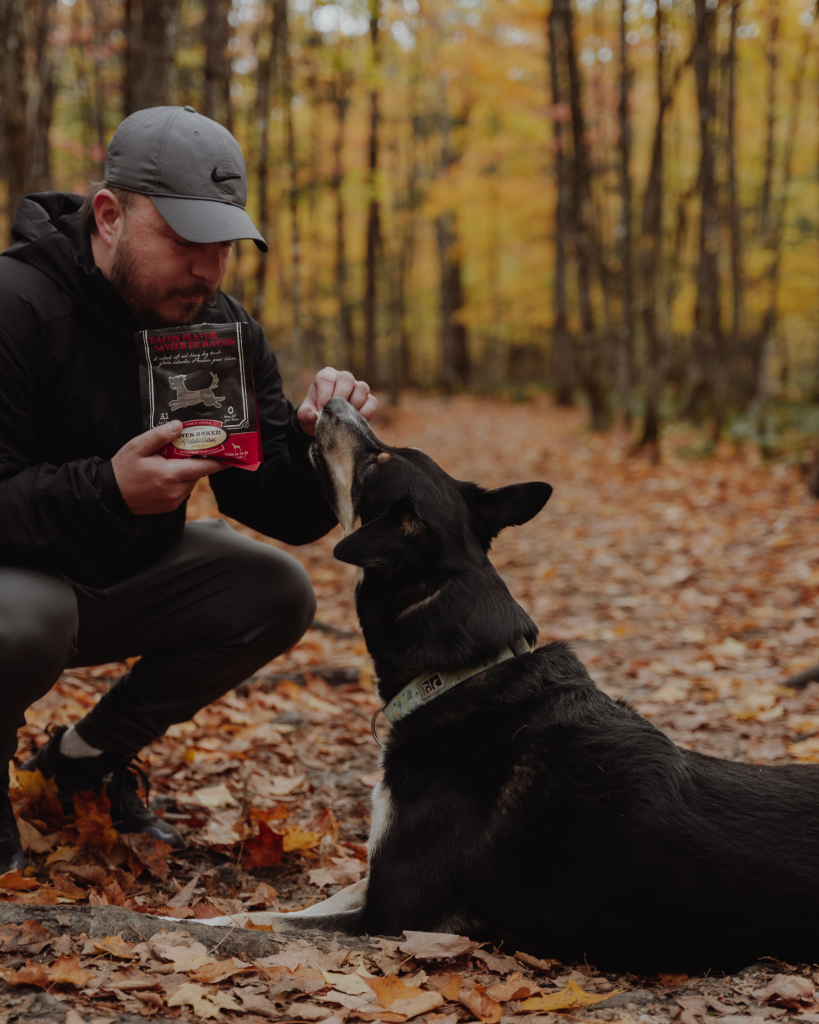
Different Types of Dog Treats
Choosing the right treat depends not only on your dog’s preferences but also on their health, size, and learning needs. Oven-Baked Tradition offers a variety of treats suited for every situation, while maintaining nutritional quality and digestibility.
Here are the main types of treats you can incorporate into your training sessions:
Soft Treats
Soft treats are often the favorite for training. They are easy to give, quick to eat, and perfect for immediately rewarding a behavior. Their soft texture means your dog does not waste time chewing and can quickly associate the reward with the correct behavior. This is especially useful for repetitive exercises or indoor sessions.
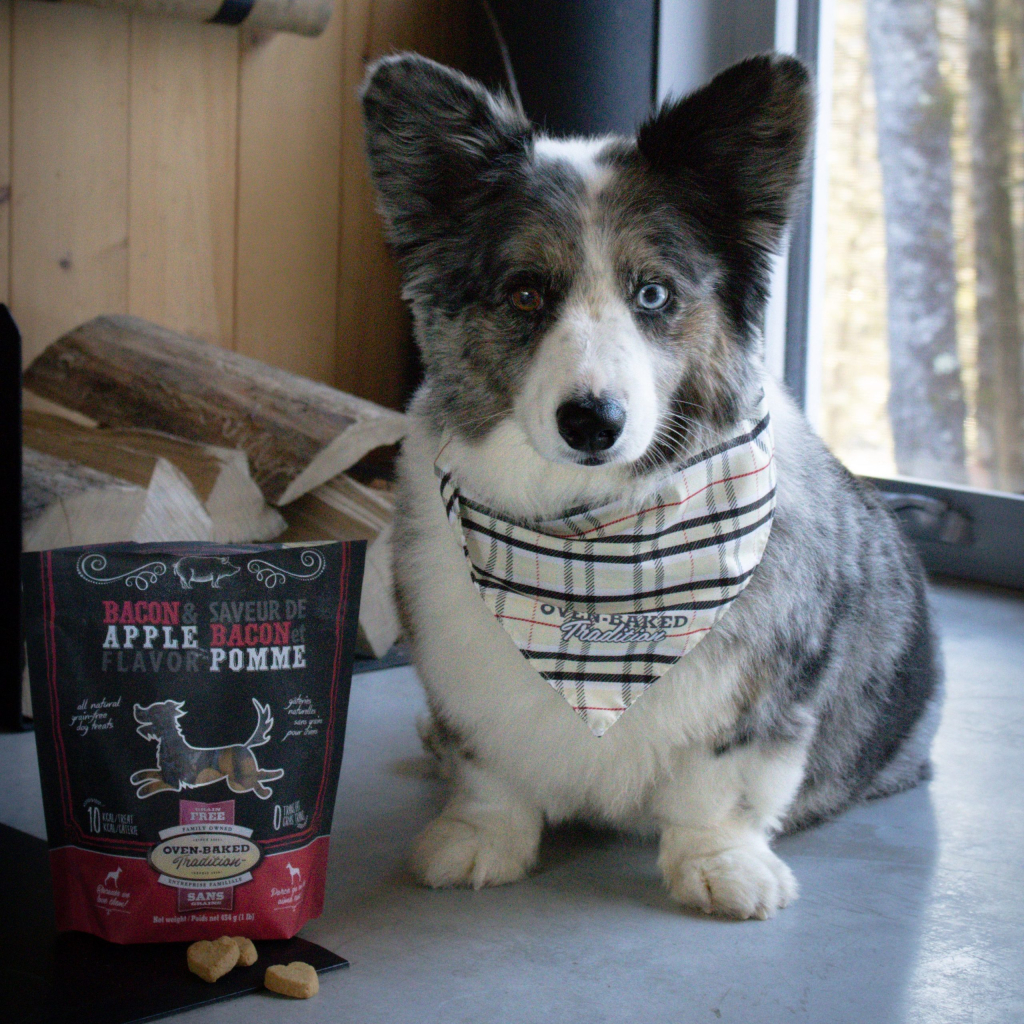
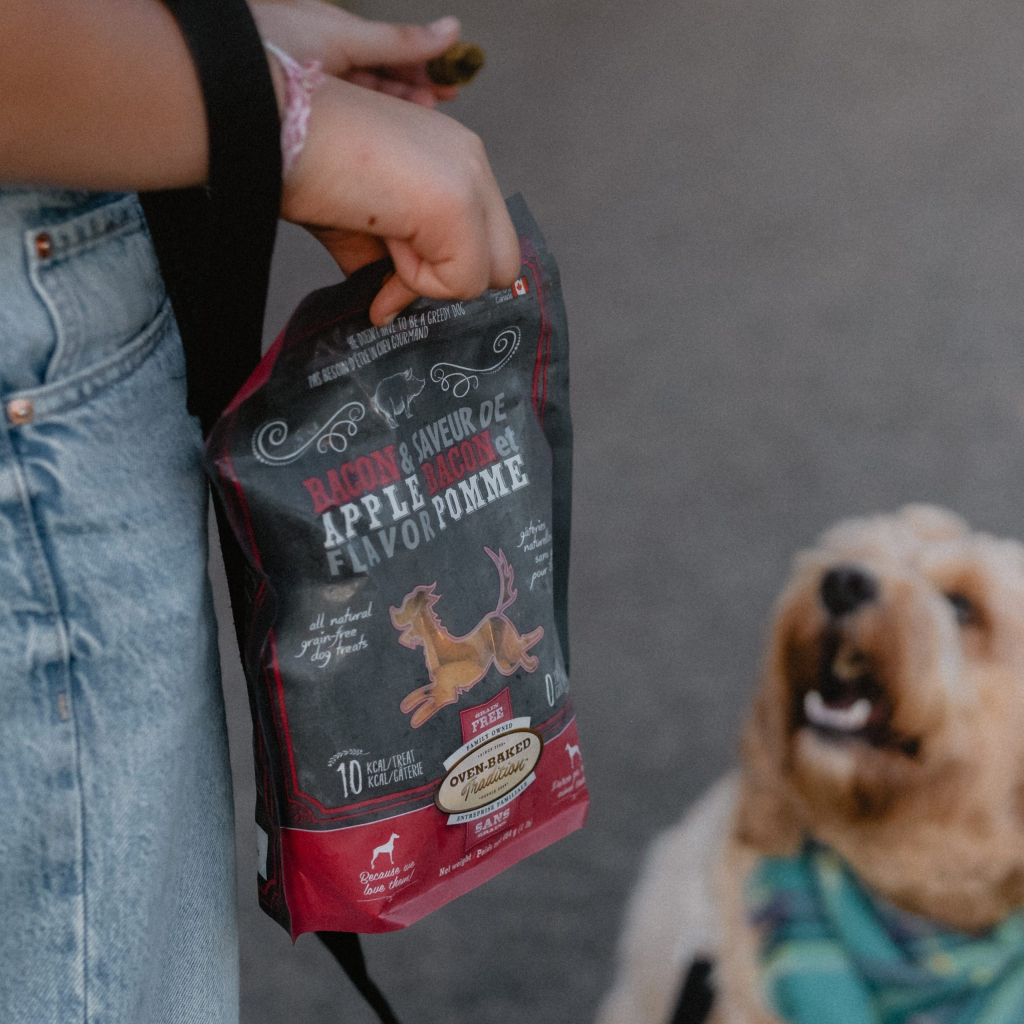
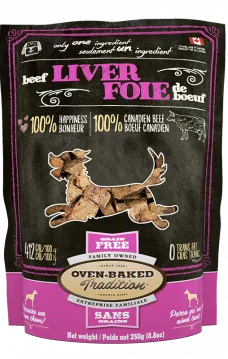
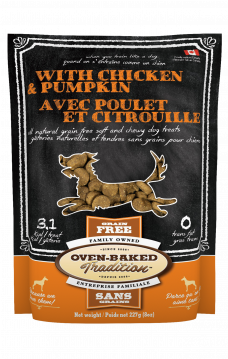
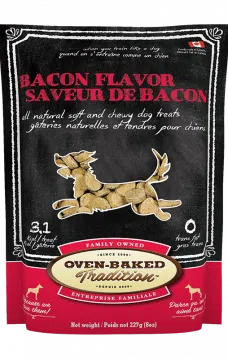
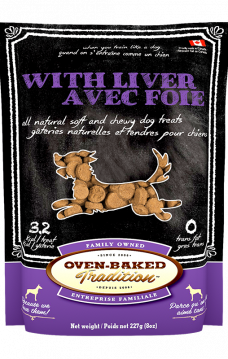
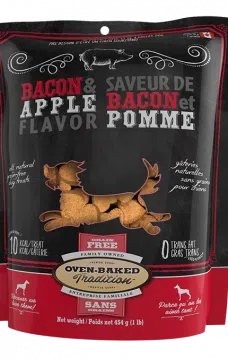
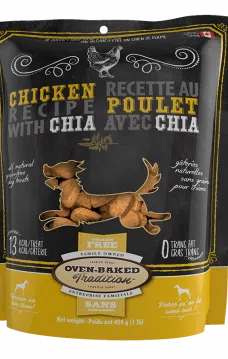
Oven-Baked Tradition offers a range of soft dog treats, with classic flavors like chicken and pumpkin, as well as more indulgent options like bacon, which appeal to most dogs. Their soft texture also allows for easy splitting, providing multiple rewards during training sessions. Other options, such as turkey & hemp or liver, help vary flavors and maintain your dog’s interest. Discover the five soft treat recipes from Oven-Baked Tradition that make training easier and more enjoyable for your dog.
Low-Calorie Treats
For regular or long training sessions, it is useful to choose treats that are low in calories to prevent accidental weight gain, especially if you reward your dog frequently. Many Oven-Baked Tradition treats are designed to be low in calories while remaining tasty, making them perfect for daily training.
Hypoallergenic Treats
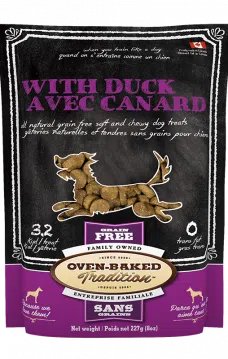
Some dogs have food sensitivities or more delicate digestion, which requires gentler treats. Oven-Baked Tradition offers several grain-free options made with simple ingredients, ideal for dogs with dietary sensitivities (discover the soft and grain-free treats).
For dogs with food allergies, a hypoallergenic duck-based option is also available.
Want to learn more about food allergies in dogs? Check out our blog.
Best Practices and Mistakes to Avoid in Dog Training
Training your dog can be much more effective and enjoyable if you follow a few best practices while avoiding common mistakes.
Good Practices for Successful Dog Training
- Reward immediately: Give the treat as soon as your dog performs the desired behavior so the connection is clear.
- Break treats into small pieces: Use small portions to reward frequently without overloading your dog with calories.
- Vary rewards: Alternate between different types of treats, whether soft, low-calorie, or hypoallergenic, and vary flavors and protein sources such as chicken, duck, or turkey to keep your dog motivated and engaged.
- Adapt to your dog: Consider your dog’s size, age, preferences, and dietary sensitivities.
- Create positive moments: Make sure each session is short, enjoyable, and motivating to strengthen the bond between you and your dog.
Practical Tip: Take note of your dog’s reactions to different rewards and adjust your choice of treats based on what motivates them the most. This will make training more effective and enjoyable for both of you.
Common Mistakes to Avoid in Dog Training
- Giving inappropriate treats: Avoid treats that are too fatty, too large, sweet, or toxic for dogs.
- Rewarding too late: The reward must be immediate for your dog to associate it with the behavior.
- Overusing treats: Too many treats can lead to weight gain or digestive issues.
- Ignoring dietary sensitivities: For dogs with intolerances or food allergies, choose hypoallergenic or grain-free treats.
Treats are much more than just a reward. They are a powerful tool to motivate your dog, reinforce desired behaviors and create moments of bonding between you. By choosing the right treats, whether soft, low-calorie or hypoallergenic, and by varying flavors and protein sources, every training session becomes enjoyable and effective.
By following these best practices and avoiding common mistakes, you maximize training results while taking care of your dog’s health and well-being. With a little patience and consistency, every reward becomes an opportunity to strengthen the unique bond you share with your loyal companion.
Remember, every small victory counts. Take the time to celebrate progress, no matter how small, and enjoy every learning moment with your dog.
Discover Oven-Baked Tradition treats and make every reward special.
Find a retailer near you.










FAQ: All About Treats and Dog Training
Avoid treats that are too fatty, too large, sweet or toxic, as well as those containing ingredients that may trigger allergies.
Soft and low-calorie treats are ideal. They are easy to break into small pieces and quick to eat. High-quality options, such as Oven-Baked Tradition treats, provide both taste and nutrition to effectively motivate your dog.
Use small portions for puppies and small dogs, soft treats for senior dogs, and hypoallergenic options for dogs with dietary sensitivities.
Yes. They are tasty, easy to digest and safe for dogs with sensitivities, while still being motivating thanks to their variety of flavors and textures.
Give small portions and divide them if needed. For frequent training sessions, use low-calorie options or adjust your dog’s daily ration accordingly.
For puppy training, choose soft treats that are easy to chew and swallow. Puppies have sensitive teeth and gums, so soft, small-sized treats help them focus on learning without struggling to eat. Opt for low-calorie, highly palatable treats so you can reward often without overfeeding, and look for simple, quality ingredients to support healthy growth.