It’s 6:42 a.m. You haven’t even had your first coffee yet but your cat has already inspected the water bowl, decided it clearly wasn’t up to standard and walked away with the kind of indifference only a cat can master. A few feet away, your dog has just taken a drink as if returning from a trek across the desert, leaving half the water on the floor. Two pets. Two very different approaches to staying hydrated. But one essential need they both share is water.
When we think about nutrition, we often focus on protein, fat, vitamins or the ingredients that make up a recipe. Yet when it comes to urinary health, something much simpler deserves our attention: hydration.
The kidneys, bladder and entire urinary system quietly work behind the scenes every day and water plays a central role in keeping everything functioning as it should. That’s where wet food becomes particularly interesting. In addition to providing nutrition, it offers another way to add water to your pet’s daily routine.
So, let’s crack open a can literally and figuratively and take a closer look at what really happens between the bowl and the bladder.
The essentials of urinary health issues
Talking about a “urinary issue” can make it sound like a single condition. In reality, a number of different problems can affect the urinary tract in dogs and cats. These may include bladder inflammation, urinary tract infections, crystals, stone or blockages. Cats can also develop feline idiopathic cystitis (FIC), an inflammation of the bladder for which the exact cause cannot always be identified and where several factors, including stress, may play a role.
This distinction is important because a diet formulated to support urinary health is not a one-size-fits-all treatment. Any pet showing signs of a urinary problem should be evaluated by a veterinarian to determine the underlying cause. Nutrition, on the other hand, can play a supportive role. Among the nutritional factors worth considering, water intake is especially important. Why? Because adequate water intake can help promote more diluted urine. Think of a spoonful of salt in a small glass of water compared with the same amount in a large pitcher. The concentration is obviously very different. While urinary health is much more complex than this simple example, it helps illustrate why adequate water intake matters so much.
Why cats deserve special attention
Your dog hears the tap running and may suddenly decide they’ve just discovered the best water of their life. Your cat? They might watch the exact same scene and decide it’s simply not worth getting up for.
Cats can have some very particular drinking habits. Some prefer a fountain, others a wide bowl. Some want their water freshly poured, while others seem mysteriously more interested in your glass than in the three bowls you’ve carefully placed around the house just for them. But this behavior isn’t simply a matter of personality. Cats may naturally have a relatively low water intake, particularly when much of their diet consists of dry food. It’s one of the reasons hydration deserves special attention when it comes to cats.
Feline lower urinary tract disease (FLUTD) refers to a group of conditions that can cause discomfort or difficulty urinating. Male cats require even greater vigilance because their anatomy makes them more susceptible to urethral obstruction. A urinary blockage is never something to simply watch and wait to see if it “goes away.”
Signs you shouldn’t ignore
Sometimes, the first clue is a small change. Your cat goes back to the litter box just minutes after leaving it. Then goes back again. Your dog suddenly starts asking to go outside much more often. You notice only a few drops of urine instead of a normal amount. Your pet seems to be straining, vocalizing, licking the genital area more frequently or urinating in unusual places. You may also notice blood in the urine.
These changes alone can’t tell you exactly what’s going on. Several urinary conditions can cause similar signs, which is why your first step should be to contact your veterinarian rather than trying to solve the problem simply by changing your pet’s food. If your pet repeatedly tries to urinate but is unable to produce any urine particularly if your pet is a male cat seek veterinary care immediately. A complete urinary obstruction is a veterinary emergency. In other words, if your cat is constantly going in and out of the litter box, they haven’t necessarily developed a sudden passion for housekeeping.
Urinary tract infections in dogs are sometimes less well known than other urinary issues, and their signs can easily go unnoticed. We take a closer look at the topic in our article on urinary tract infections in dogs, where you’ll find more information about the signs to watch for and ways to help prevent them.
Hydration: An important ally for urinary health
You fill the bowl. Your pet drinks. End of story? Not quite. Water plays a role in countless essential functions throughout the body. Within the urinary system, the kidneys filter the blood, help maintain fluid and electrolyte balance, and eliminate various waste products through urine. The amount of water a pet consumes therefore directly influences urine volume and concentration.
Adequate water intake helps promote more diluted urine. This is particularly relevant when it comes to urinary health, since the concentration of certain minerals in the urine is one of the factors considered in the formation of some types of crystals and stones. Of course, this doesn’t mean that “more water solves every urinary problem.” Different types of urinary stones have different causes and require different nutritional approaches. Urinary pH, mineral levels, overall diet, certain health conditions and many other factors can all play a role. But water remains a fundamental part of the equation.
Hydrating without necessarily drinking
This is where hydration gets interesting. When we think about increasing water intake, our first instinct is often to look at the water bowl. How can I get my pet to drink more? But perhaps the better question is: How can I increase the total amount of water my pet consumes? Because water doesn’t come only from the bowl. It can also come from the food.
Wet food naturally contains much more water than dry food. In cats, for example, wet food typically contains around 70 to 80% water. Every serving therefore contributes directly to their daily water intake. It’s almost as if part of the water bowl were built right into their meal. For the pet parent whose cat considers their $90 water fountain nothing more than a decorative accessory, that can be a particularly appealing idea.
Why don’t some pets drink enough?
There isn’t just one answer. The type of food a pet eats obviously influences how much water they get through their diet, but individual preferences matter too. Cats in particular, can be influenced by the freshness and taste of their water, whether it’s still or moving, and even the shape of the bowl. Some enjoy drinking from fountains, while others prefer having several water stations throughout the house. The environment also matters. A bowl placed in a noisy area, somewhere difficult to access or in a spot shared by several pets may not be particularly inviting.
Sometimes, pet parents do everything “right” and their cat simply decides that the forgotten glass of water on the nightstand is far superior to anything that was actually put out for them. The goal isn’t to turn hydration into a science project. It’s simply to create more opportunities for your pet to get the water they need. Clean fresh water that’s always accessible, bowls placed in comfortable locations, different options when needed and a diet with more moisture when appropriate for your pet.
Hydration isn’t only about how much water your pet drinks directly. To discover more simple tips for supporting healthy hydration every day, explore our guide to hydration for dogs and cats.
Wet food: When hydration also comes through mealtime
Adding more water without adding another task to your day is probably one of the biggest practical advantages of wet food in this context. There’s no need to convince your pet to drink an extra glass of water. The water is already part of the meal.
For some dogs and cats, incorporating wet food can therefore be a simple way to naturally increase their overall water intake. When the goal is to support urinary health, that additional moisture can be particularly beneficial. For pets that would benefit from increased water intake, veterinary professionals may recommend different strategies, such as incorporating wet food, adding water to certain meals or providing multiple sources of fresh water. The right approach however, will depend on the individual pet, their health, and their overall diet.
A small habit that can easily fit into your routine
Switching to wet food doesn’t necessarily mean changing your pet’s entire routine. Depending on their nutritional needs and your veterinarian’s recommendations, wet food can be served as a complete meal, included as part of a mixed-feeding approach or incorporated into an existing feeding routine. What matters is looking at your pet’s diet as a whole.
If you add a portion of wet food to a dry food diet, it’s important to account for the calories provided by both foods rather than simply adding a second meal on top of the first. Your dog would probably be very supportive of that interpretation, but their waistline might not be. Any dietary transition should also be made gradually to give your pet’s digestive system time to adjust.
CARE urinary: Putting hydration on the menu
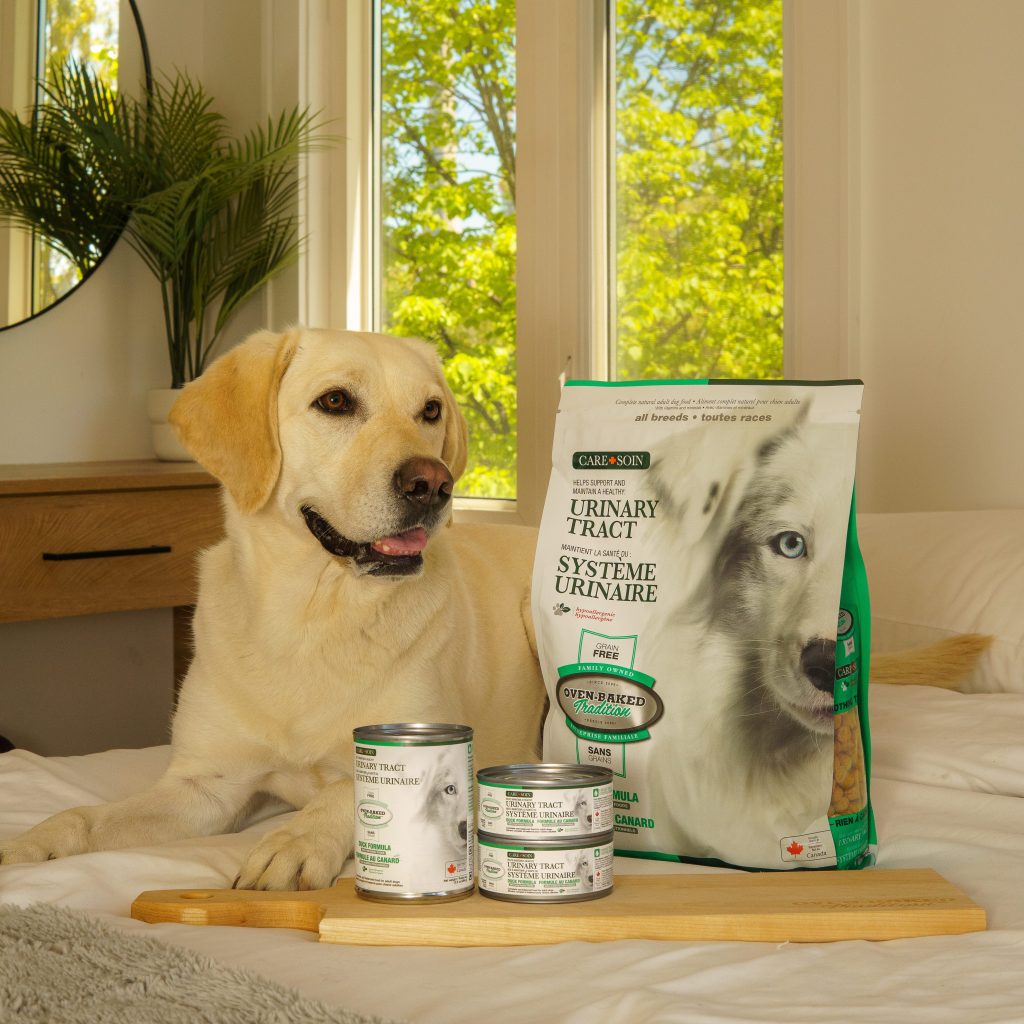
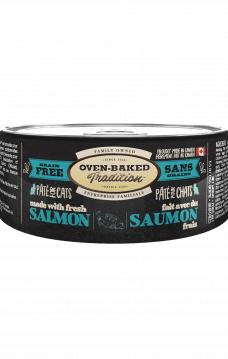
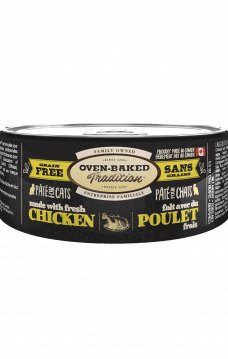
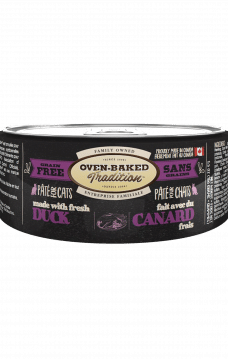
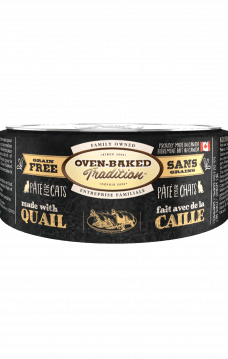
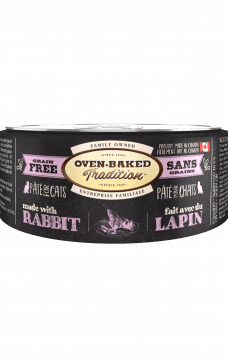
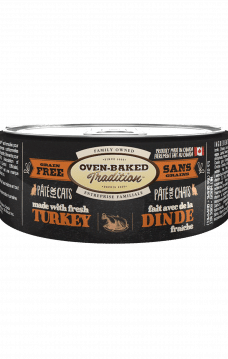
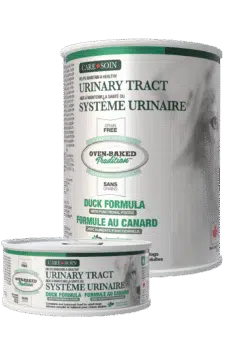
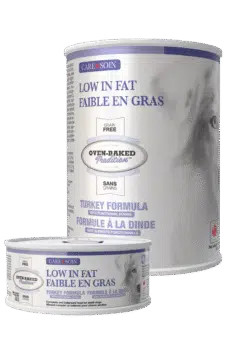
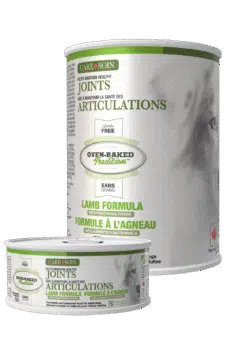
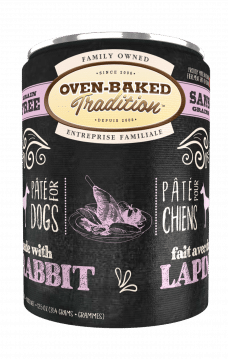
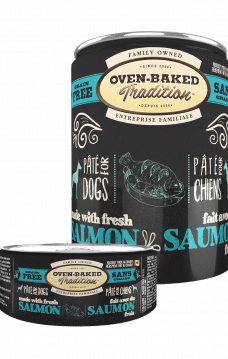
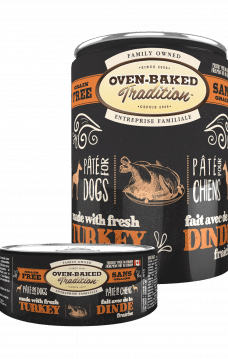
Wet nutrition is designed with everyday feeding in mind. That’s exactly the thinking behind the addition of wet food recipes to Oven-Baked Tradition’s CARE line. After all, when it comes to functional nutrition and urinary health, it makes sense to consider not only what’s in the recipe but also the moisture it brings to your pet’s diet.
CARE urinary wet food for dog and cat offers a new way to incorporate nutrition focused on urinary well-being into your pet’s daily routine, while naturally benefiting from the high moisture content of wet food. It’s a simple approach, nutrition and hydration support, all in one meal.
A prevention formula is never a substitute for a veterinary diagnosis
There is, however an important distinction to make when it comes to functional nutrition. A formula designed to support urinary health in a healthy pet is not the same as a therapeutic diet prescribed to treat or dissolve a specific type of urinary stone. Why does this distinction matter? Because not all urinary problems are the same. Struvite and calcium oxalate stones, for example, have different characteristics and require different approaches to management. A bacterial infection, idiopathic cystitis and a urinary obstruction are also very different conditions. Nutrition can be part of a supportive approach but it should never delay a veterinary consultation when symptoms appear.
That’s exactly what a wellness-focused approach is about: supporting healthy habits every day, before the litter box or those extra trips outside starts telling a more concerning story.
Making hydration a habit, not a mission
One of the things we love about wet food is how simple it can be. There’s no need to explain the benefits of better hydration to your cat. Chances are they wouldn’t listen to the whole explanation anyway. We open. We serve. They eat. At the same time, their meal provides a meaningful amount of water.
For dogs, wet food can also be a tasty way to add more water to their diet when it suits their individual needs. Urinary health rarely comes down to one big gesture. Instead, it’s supported by a combination of small, everyday habits. An appropriate diet, maintaining a healthy weight, access to fresh water, regular opportunities to urinate and paying attention to changes in behavior.
What about dry food?
Dry food still has plenty to offer. After talking so much about wet food, should we suddenly start looking at that bag of kibble with suspicion? Of course not.
A complete and balanced dry food remains a perfectly valid option for feeding dogs and cats. The goal isn’t to declare a winner in the “wet versus dry” debate but rather to understand that the two formats provide very different amounts of water.
A pet that eats primarily dry food therefore needs to get most of their water by drinking. That’s why it’s especially important to always provide access to clean, fresh water and to pay attention to your pet’s drinking habits.
For some pets, wet food can also be incorporated into their diet to help increase overall water intake. Feeding then becomes less about choosing between “dry or wet” and more about finding the combination that works best for your pet.
A little extra help in the bowl
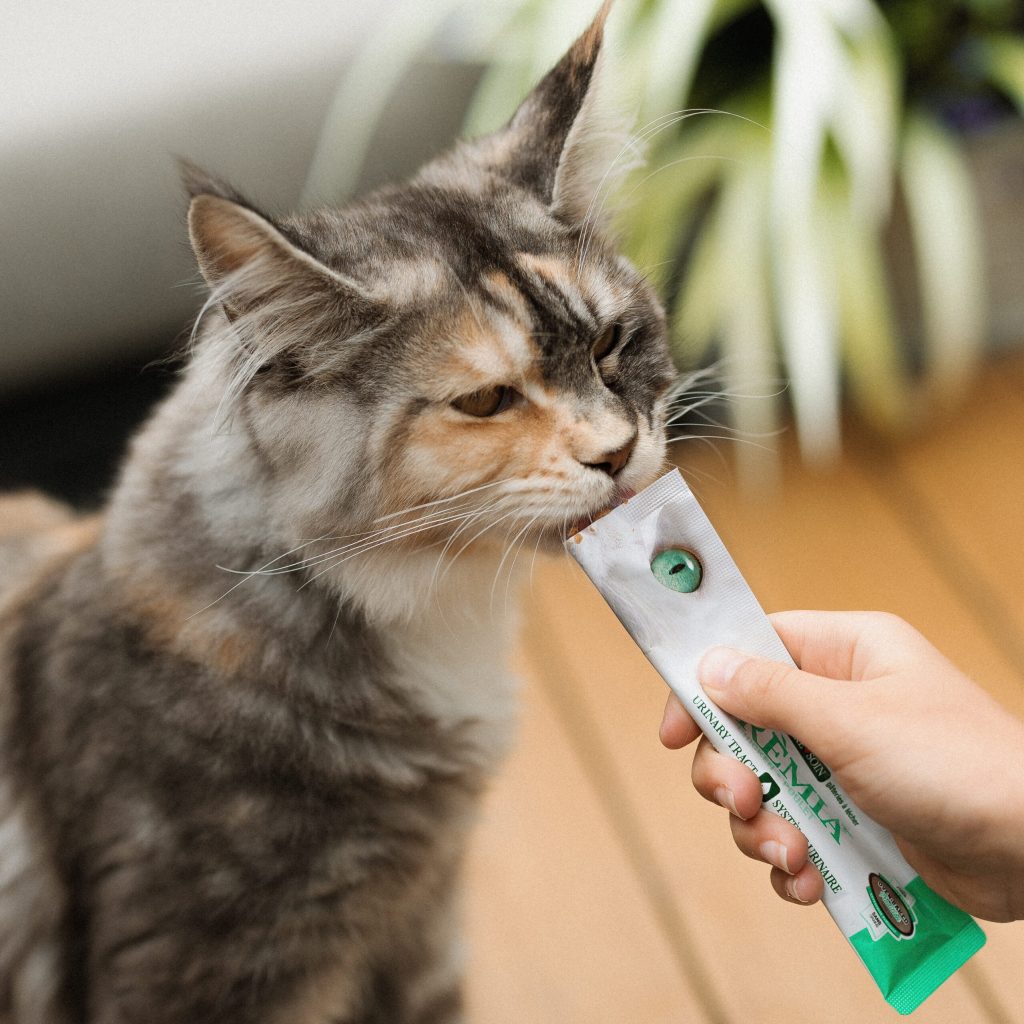
There’s another option for pet parents who want to keep dry food at the heart of their cat’s routine, meaning adding an appropriate wet complementary food. That’s where Oven-Baked Tradition’s Crèmia urinary lickable cat treat comes in. Served as a treat or as a topper over dry food, its lickable texture adds something different to mealtime while providing additional moisture.
For a cat that eats primarily dry food, adding Crèmia to their meal can become an enjoyable little ritual. For them, it’s a treat. For you, it’s another opportunity to add moisture to their day. One important rule still applies, however, treats and toppers should complement a complete and balanced diet and should always be taken into account as part of your pet’s daily calorie intake.
If your pet is on a therapeutic veterinary diet for a diagnosed urinary condition, don’t automatically add treats or toppers. Some therapeutic diets need to be fed exclusively to achieve their intended effect on urine composition. In these cases, your veterinarian is the best person to advise you on what can or cannot be added to your pet’s bowl.
Supporting Your Dog or Cat’s Urinary Health Every Day
What if supporting urinary health could start right in the bowl? Our pets will never tell us, “Today, I’d like to focus on my urinary health.” And that’s probably for the best. Your cat may continue to turn up their nose at a freshly filled water bowl only to drink from your glass instead. Your dog will probably continue to turn every trip to the water bowl into a minor flood. Fortunately, supporting their hydration isn’t only about how often we see them drink. Water can also show up somewhere they’re usually much easier to convince, in their food.
Wet food can be a simple way to bring more moisture into their daily routine. There’s no need to make a big deal out of it although between us, your cat will probably find a way to do exactly that. Because at the end of the day, taking care of their health can sometimes start with something as simple as a full bowl and end with one licked perfectly clean.
Support their urinary health.
Find a retailer near you.







FAQ – Urinary Health for Dogs and Cats
Yes. Dogs can develop urinary tract infections when bacteria multiply in the urinary tract. Since several urinary conditions can cause similar signs, a veterinary consultation is necessary to determine the cause and appropriate treatment.
A dog that asks to go outside to urinate more often, produces small amounts of urine, appears uncomfortable while urinating, or has blood in their urine may have a urinary problem. Unusual accidents in the house or more frequent licking of the genital area may also be observed. These signs can have different causes and should be evaluated by a veterinarian.
More frequent visits to the litter box, small amounts of urine, blood in the urine, signs of discomfort, or urinating outside the litter box may indicate a urinary problem. In cats, however, these symptoms are not necessarily caused by an infection and may be associated with other urinary conditions. A cat that is trying to urinate but is unable to do so should be seen by a veterinarian promptly, as a urinary blockage can be an emergency.
A urinary tract infection is caused by bacteria in the urinary tract. In cats, however, similar symptoms can also be associated with other conditions, such as bladder inflammation, urinary crystals, or stones. This is why it is important to have a veterinarian determine the cause rather than assuming it is an infection.
Yes. Wet food naturally contains a high amount of water and can therefore help increase a dog’s or cat’s daily water intake. Good hydration contributes to the proper functioning of the urinary system and is one of the healthy habits that can help support urinary health. Wet food should never replace access to fresh water.
Wet food is not considered a cause of urinary problems. On the contrary, its high moisture content can help increase a cat’s water intake. Urinary health, however, depends on several factors, including diet, hydration, maintaining a healthy weight, environment, and each animal’s individual characteristics.
Thanks to its moist texture, Crèmia Urinary Care provides a simple and appetizing way to add moisture to your cat’s daily diet. When offered as a complement to their regular food, it can help contribute to their daily water intake. It should not, however, replace access to fresh water.
A diet formulated to support urinary health can help maintain a healthy urinary system. However, it cannot prevent all urinary problems, which can have different causes. An appropriate diet, good hydration, maintaining a healthy weight, regular opportunities to urinate, and monitoring changes in behavior are all part of an overall approach to urinary health.
Oven-Baked Tradition offers several options developed to support urinary health, including CARE Urinary recipes and Crèmia Urinary Care for cats. CARE wet recipes also provide a way to add more moisture to your pet’s daily diet. If your pet is experiencing symptoms or has been diagnosed with a urinary condition, it is important to follow your veterinarian’s recommendations.